
TL;DR
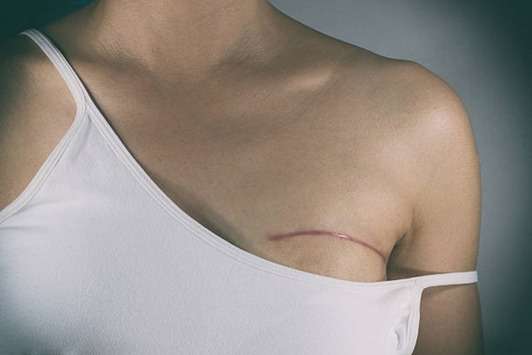
Triple-negative breast cancer (10–15% of cases) is aggressive and recurs most within the first 3–5 years, at roughly 20–30%. Risk rises with tumour size, lymph node involvement, young age, and BRCA mutations. Treatment uses chemotherapy, immunotherapy, and clinical trials. Regular follow-ups and healthy lifestyle aid prevention.
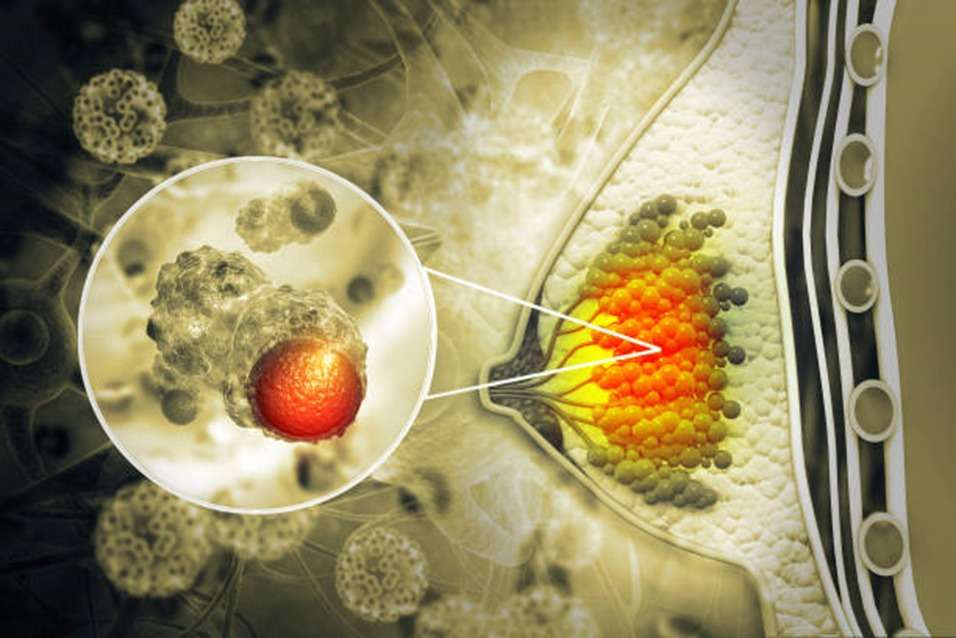
Breast cancer is a complex disease. Among its various forms, Triple-Negative Breast Cancer (TNBC) stands out as a particularly challenging subtype. The absence of estrogen receptors, progesterone receptors, and excess HER2 protein characterizes TNBC. This triple-negative status means standard hormonal therapies and drugs that target HER2 are not effective against TNBC. This makes treatment options more limited.
Dr. Garvit Chitkara, a renowned breast oncology surgeon in Mumbai, highlights that TNBC represents about 10-15% of all breast cancers. It’s more common in younger women, particularly those with a BRCA1 gene mutation. Understanding these demographics is critical in creating awareness and promoting early screening.
Treatment typically involves a combination of surgery, radiation, and chemotherapy. Dr. Chitkara’s approach is patient-centric, tailoring treatments to each individual’s needs. He stresses the importance of a multidisciplinary approach. This involves oncologists, radiologists, and pathologists to ensure comprehensive care.
Dr. Garvit Chitkara, an expert breast cancer surgeon in India, is making significant strides in treating this aggressive cancer form. He emphasizes that early detection is crucial as TNBC tends to be more aggressive. It is more likely to spread beyond the breast compared to other breast cancer types.
What Are the Chances of Recurrence After Surgery in TNBC Patients?
“Understanding the triple-negative breast cancer recurrence rate after surgery is crucial,” says Dr. Garvit Chitkara. “Statistics show that the recurrence rate for TNBC is higher within the first 3-5 years post-surgery.”
These numbers underscore the importance of vigilant post-operative care and regular follow-ups. While the exact recurrence rate can vary, recent studies indicate a recurrence rate of approximately 20-30%. Personalized treatment plans and early detection of recurrence can significantly improve outcomes.
Are you seeking expert guidance to combat cancer recurrence? Dr. Chitkara’s comprehensive approach to post-surgery care is pivotal. With years of expertise, he is known to many as the best breast cancer surgeon in Mumbai.
Factors Influencing Recurrence
The recurrence of breast cancer, particularly in triple-negative cases, is influenced by a multitude of factors. These include:
Genetic Predispositions: Mutations in genes such as BRCA1 and BRCA2 significantly increase the risk of second primaries or new cancer forming in the breast
Original Tumor Characteristics: The size and stage of the tumor at initial diagnosis are critical. Tumors that are extensive and at a more advanced stage have a higher risk of recurrence.
Lymph Node Involvement: Cancer cells in the lymph nodes at diagnosis can indicate a higher likelihood of recurrence.
Age at Diagnosis: Younger patients, particularly those diagnosed before menopause, tend to have a higher risk of recurrence.
Treatment Response: How well the cancer responds to initial treatment, including chemotherapy and radiation, can impact recurrence risk.
Hormonal Factors: For non-TNBC breast cancers, hormone receptor status (estrogen and progesterone) can influence recurrence. In TNBC, the lack of these receptors contributes to the treatment approach and potential recurrence.
Overall Health and Comorbidities: General health conditions and other diseases can affect the body’s ability to fight cancer recurrence.
Lifestyle Factors: Diet, physical activity, and body weight can influence the risk.
Surgical Margins: Cancer cells at the margins of the tissue removed during surgery can increase the risk of recurrence.
Radiation Therapy: The recurrence rates can vary based on the use of radiation therapy whenever required
Each of these factors contributes to the overall risk profile for breast cancer recurrence. Their impact can vary from person to person.
Dr. Chitkara is often called the best breast cancer doctor in Mumbai. He is at the forefront of TNBC treatment and research. His commitment to his patients and the field is evident in the successful outcomes.
Signs and Symptoms of TNBC Recurrence after surgery :
New Lumps: Noticeable lumps in the chest area, underarm, or near the collarbone.
Skin Changes: Redness, swelling, or dimpling of the skin where the breast was removed.
Bone Pain: Persistent aches or pains in the bones could indicate spread to the bones.
Breathing Difficulty: Shortness of breath or a persistent cough, possibly indicating lung involvement.
Headaches or Neurological Changes: Frequent headaches or changes in vision or balance can suggest brain involvement.
Diagnostic Tools for Detecting TNBC Recurrence:
Physical Examination: Regular check-ups where a doctor examines for physical changes or lumps
Imaging Tests: Mammograms, ultrasounds, or MRIs to detect unusual changes in the chest area or remaining breast tissue.
Bone Scans: To check for cancer spread to the bones.
CT Scans and PET Scans: These can help identify cancer in other body parts.
Biopsy: Taking a small tissue sample from a suspicious area to check for cancer cells.
“Detecting recurrence early is critical,” says Dr. Garvit Chitkara, known for his expertise in breast cancer surgery in Mumbai. “So it’s crucial to stay vigilant and attend regular follow-ups.”
Treatment Options for TNBC Recurrence
Surgical Options:
Local Excision: A surgeon may remove the tumor and some surrounding healthy tissue if the recurrence is localized.
Lymph Node Surgery: If cancer has spread to the lymph nodes, these may also be removed.
Reconstructive Surgery: Reconstructive surgery is performed for aesthetic or functional purposes, especially if a significant amount of tissue is removed.

Systemic Treatments:
Chemotherapy: Chemotherapy needs to be given if the patient can tolefrate to combat the fast-growing nature of this cancer type.
Targeted Therapy: Research is ongoing to develop targeted therapies for specific genetic mutations found in some TNBC cases. However its not available in India yet.

Immunotherapy: This treatment helps the immune system recognize and fight cancer cells more effectively. It’s showing promise in TNBC treatment.
Hormonal Therapy: Hormonal therapy is not used in Triple negative cancers as these cancer cells do not have any of receptors for hormones
Clinical Trials: Participating in clinical trials can provide access to new and potentially effective treatments that are not yet widely available.
Each patient’s treatment plan is unique, tailored to their specific situation and the characteristics of their cancer. The goal is always to provide the most effective treatment with negligible impact on the patient’s quality of life.
Prevention Measures for the Recurrence of TNBC After surgery
Regular Follow-Ups: Attend all scheduled follow-up appointments for early detection of any changes.
Healthy Lifestyle Choices: Maintain a balanced diet, regular exercise, and a healthy weight to strengthen health.
Avoiding Risk Factors: Limit alcohol consumption and avoid smoking to reduce cancer risk.

Genetic Counseling: Especially for those with family history or genetic mutations like BRCA1 or BRCA2.
Medication Adherence: Follow any prescribed medication regimens, such as hormone therapy.
Stress Management: Engage in activities that reduce stress, as emotional well-being is crucial in overall health.
Prevention is about staying vigilant and making choices that support overall health and well-being. Each of these measures can play a role in reducing the risk of TNBC recurrence.
Conclusion
Understanding and managing the recurrence of TNBC after surgery is a multifaceted challenge. It requires vigilant monitoring, individualized treatment strategies, and proactive prevention measures. With advances in medical research, sophisticated treatments are evolving to combat TNBC more effectively. Simultaneously, lifestyle modifications, regular screenings, and genetic counseling are crucial in prevention.
Dr. Garvit Chitkara’s expertise symbolizes the ongoing commitment to improving outcomes for TNBC patients. He emphasizes the importance of personalized care toward recovery and sustained health.
Don’t let TNBC define your journey. Reach out to Dr. Chitkara today for a consultation. Take the first step towards effective, personalized care.
FAQ
Is it possible for TBNC to return after surgery ?
The chances of recurrence for (TNBC) triple-negative breast cancer after surgery can vary. However, they are generally higher than other breast cancer types, especially within the first 2 years.
Studies suggest a recurrence rate Depend on the stage at diagnosis of the disease. It is higher for higher stages This can vary based on individual factors like:
- Age
- Tumor characteristics
- Treatment response
What is the triple-negative breast cancer recurrence rate by stage?
Stage I: Lower recurrence rate, typically under 20%.
Stage II and III: Higher recurrence rates, ranging from 20% to 50%.
Stage IV: This stage represents metastatic cancer. The focus is on managing symptoms and spread, with recurrence being a complex issue.
What are the latest advances in treatment for recurrent TNBC?
- Immunotherapy: New drugs that help the immune system recognize and attack cancer cells.
- PARP Inhibitors: These drugs show promising results for patients with BRCA mutations.
- Platinum-based Chemotherapy: recent studies have shown platinum based chemotherapy is effective in TNBC patients
- Androgen Receptor Inhibitors: These target androgen receptors present in some TNBC cells. This is experimental but can be used in some non responsive TNBCs which have Androgen Receptors
- Clinical Trials: Offering access to experimental treatments and novel drug combinations.
Reference Links:
https://www.cancer.org/cancer/types/breast-cancer/about/types-of-breast-cancer/triple-negative.html