
A lumpectomy is a surgical procedure that involves removing a tumor from the breast while preserving the surrounding tissue. Although many patients recover well after this surgery, some may experience discomfort or pain in breast one year after lumpectomy. While this pain can be concerning, it does not always indicate a serious issue.
Dr. Garvit Chitkara, a distinguished breast cancer surgeon in Mumbai, states, “Pain after a lumpectomy is not unusual, but it is important to evaluate its cause. Early intervention can prevent complications and enhance your recovery.”
With over 15 years of experience, Dr. Chitkara has assisted countless patients in recovering comfortably and effectively managing post-operative pain.
Concerned about post-lumpectomy pain? Seek guidance from a specialist to understand the cause and explore treatment options. Book an appointment today!
Are you wondering if it’s normal to feel pain in breast after lumpectomy? Let’s look into this common concern and what it could mean for your health.
Is It Normal to Have Pain in Breast After Lumpectomy?
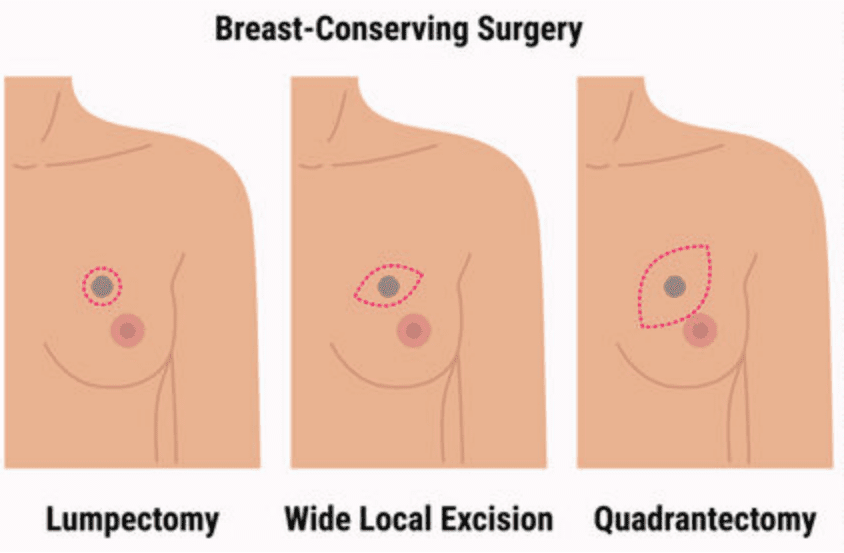
Pain in the breast after lumpectomy is not uncommon. Many patients report sensations such as soreness, tightness, or discomfort long after surgery. While this can be concerning, it’s essential to understand that there are several reasons for this persistent pain. Typically, it is temporary and related to the healing process, the formation of scar tissue, or increased nerve sensitivity.
Dr. Garvit Chitkara, a renowned specialist forbreast cancer surgery in Mumbai, explains, “After a lumpectomy, nerves and tissues need time to heal, and any discomfort may arise due to the remodelling process. However, regular follow-ups are essential to rule out any other potential issues.”
Now, let’s explore the potential reasons behind pain in breast after lumpectomy.
Possible Causes of Pain in Breast One Year After Lumpectomy
Scar Tissue: As the breast heals, scar tissue forms around the incision. This may cause discomfort, especially if the tissue is dense or large.
Nerve Damage: Nerves can be affected during surgery, leading to lingering pain or sensitivity in the breast area.
Fat Necrosis: Sometimes, tissue removal can lead to fat necrosis, where fatty tissue becomes damaged, causing lumps or pain.
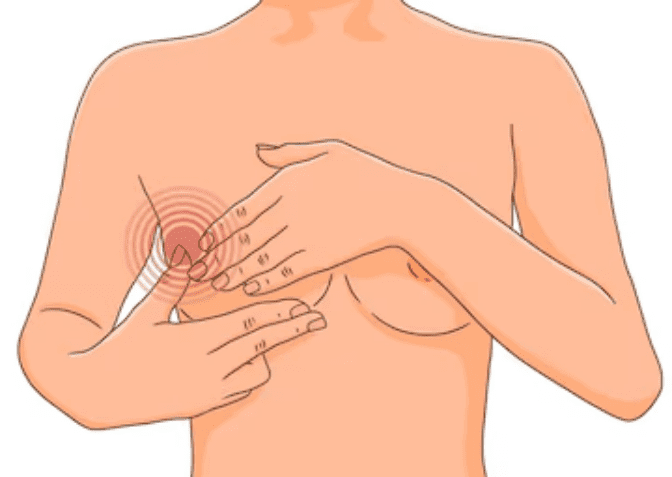
Changes in Breast Tissue: Over time, the remaining breast tissue may undergo changes that result in discomfort or tenderness.
Post-Surgical Inflammation: Although inflammation usually decreases after surgery, it may persist and cause intermittent pain.
Do you need clarification about what’s causing the pain? Here’s how it can be evaluated.
Pain Evaluation
Physical Examination: A thorough examination can help identify any lumps, changes in tissue, or visible scars.
Ultrasound or Mammogram: Your specialist may conduct imaging tests to check for breast tissue changes or fat necrosis development.
Biopsy: In some cases, a biopsy might be necessary to rule out complications such as cancer recurrence.
Nerve Function Tests: Nerve sensitivity or damage can be assessed to determine if it contributes to the pain.
By combining these methods, a professional can pinpoint the exact cause of the pain and recommend suitable treatment.

Seek the advice of a seasoned expert for a detailed evaluation and personalized care for your breast pain. Book an appointment now!
Are you seeking ways to manage pain in breast after lumpectomy? Let’s explore them.
Manage Pain in Breast One Year After Lumpectomy
Lifestyle Adjustments: Incorporating gentle daily exercises and a balanced diet can help reduce overall discomfort. Avoiding tight clothing and underwire bras may relieve pressure on sensitive breast tissue.
Topical Treatments: Soothing creams or gels containing ingredients like menthol or capsaicin can relieve pain when massaged gently onto the skin.

Cold and Warm Compresses: Alternating between cold and warm compresses can soothe inflammation and improve blood flow, helping reduce soreness.
Mind-Body Techniques: Relaxation exercises like deep breathing, meditation, or Yoga can ease pain by reducing stress and muscle tension.
Over-the-Counter Pain Relievers: Non-prescription medications such as acetaminophen or ibuprofen can alleviate mild to moderate pain when taken as directed.
Supportive Garments: Wearing a well-fitted, soft, supportive bra can minimize breast movement and reduce pain.
Are you seeking effective treatment for long-term pain relief? Let’s explore the different pathways available.
Treatment Options Available
Treatment Options Available
- Medications: Your specialist may prescribe pain relievers or nerve pain medications for severe or chronic pain.
- Physical Therapy: Specialized exercises and stretches can relieve muscle tightness and improve mobility in the breast area.
- Massage Therapy: Gentle massage around the scar tissue can reduce discomfort, improve circulation, and enhance tissue flexibility.
- Surgical Intervention: In rare cases, surgery may be considered to remove painful scar tissue or address complications like fat necrosis.
When to Consult the Doctor About Breast Pain One Year After Lumpectomy?
It is essential to consult a doctor if you experience any of the following:
Persistent Pain: If the pain continues despite self-care measures, it’s a sign that medical evaluation may be necessary.
Increasing Intensity: Pain that gradually worsens instead of improving could indicate an underlying issue needing medical attention.
New Lump or Mass: If you feel a new lump, mass, or thickening in the breast, consult your doctor immediately.

Changes in Skin or Nipple: Redness, swelling, or changes in the appearance of the skin or nipple could be signs of complications or infection.
Radiating Pain: Pain that spreads to other areas, like the shoulder, back, or arm, may suggest nerve involvement and should be assessed by a doctor.
Fever or Signs of Infection: If you experience fever, warmth, or unusual discharge, these could indicate infection and require prompt treatment.
Conclusion
Experiencing pain in breast one year after lumpectomy is not unusual, but it is essential to monitor the symptoms closely. While most cases are not related to cancer recurrence, persistent or worsening pain should not be ignored. Consulting a specialist like Dr. Garvit Chitkara ensures proper evaluation and treatment, allowing patients to address concerns early and prevent further complications.
Reach out to a specialist for the right solution for your post-lumpectomy pain. Schedule a consultation now!
FAQs
1. Why do I still have pain after a lumpectomy?
Pain after a lumpectomy can occur due to scar tissue formation, nerve damage, or changes in breast tissue. It may also be a result of post-surgical inflammation or muscle tension.
2. Is it common to have pain one year after lumpectomy?
Some patients experience mild to moderate pain up to a year after a lumpectomy due to tissue healing or residual scar tissue. However, persistent pain should be evaluated by a doctor.
3. Can pain in the breast one year after lumpectomy be a sign of cancer recurrence?
In many cases, post-lumpectomy breast pain is not related to cancer recurrence. However, it is essential to consult an expert to rule out any concerns, especially if the pain is unusual or accompanied by other symptoms.
4. Can physical therapy help with pain after lumpectomy?
Physical therapy can help manage pain by improving flexibility, strengthening surrounding muscles, and addressing any scar tissue that may be contributing to discomfort.
5. What should I do if I notice a new lump after a lumpectomy?
If you notice a new lump, you must consult your doctor for further evaluation to rule out any recurrence of cancer or other issues.
Reference links:
https://pmc.ncbi.nlm.nih.gov/articles/PMC4254680
Disclaimer: This page is meant for informational purposes and not for promotional use.