
When diagnosed with stage 2 breast cancer, it’s normal to feel a wide range of emotions. While this stage indicates that the cancer is more advanced than stage 1, it is still considered treatable with a combination of therapies. Understanding the treatment for stage 2 breast cancer is crucial in making informed decisions for the best possible outcome.
In this blog, we’ll explore the standard treatment options for stage 2 breast cancer, including surgery, chemotherapy, radiation therapy, and more. Additionally, we’ll discuss how treatments may differ between stage 2A and stage 2B, as well as what you can expect in terms of survival rates and outcomes.
Standard Treatment Options for Stage 2 Breast Cancer
Stage 2 breast cancer is typically categorized into two subtypes: stage 2A and stage 2B. While the cancer may have spread to nearby lymph nodes or tissues, it has not yet reached distant organs. The goal of treatment is to remove the tumor, prevent its spread, and reduce the risk of recurrence.
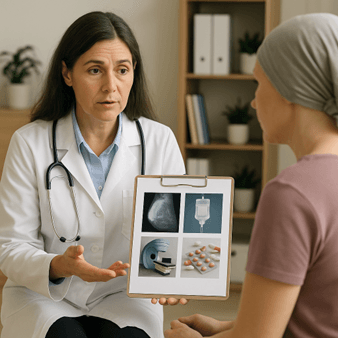
Treatment usually involves a combination of surgery, chemotherapy, radiation therapy, and sometimes hormone therapy or targeted therapy depending on the specific characteristics of the cancer. It is crucial to have a comprehensive treatment plan developed by your oncologist to target the cancer effectively.
Surgery Options (Lumpectomy or Mastectomy)
Surgery is often the first step in the treatment for hormone receptor positive stage 2 breast cancer. The two main surgical options are lumpectomy (breast-conserving surgery) and mastectomy (removal of the entire breast).
Lumpectomy
In a lumpectomy, the surgeon removes the tumor along with a small margin of healthy tissue surrounding it. This option is often preferred because it allows women to keep most of the breast. However, it is typically followed by radiation therapy to ensure that any remaining cancer cells are eliminated.
Mastectomy
A mastectomy involves the removal of the entire breast. This is usually recommended if the tumor is large, or if multiple areas of the breast are affected. A skin-sparing mastectomy is an option for some patients, where the skin is preserved for reconstruction.
Dr. Garvit Chitkara, a renowned breast cancer surgeon in Mumbai, emphasizes:
“Choosing between a lumpectomy or mastectomy depends on various factors, including the tumor’s size, location, and the patient’s preferences. It’s important to have a detailed discussion with your surgeon to make the right choice.”
Chemotherapy for Stage 2 Breast Cancer

For some patients, chemotherapy may also be combined with targeted therapy or hormone therapy if the tumor is hormone receptor-positive or HER2-positive.
Radiation Therapy After Surgery
Radiation therapy is commonly used after surgery to treat stage 2 breast cancer, particularly for those who have had a lumpectomy. It is used to destroy any remaining cancer cells in the breast, chest wall, or lymph nodes that may not have been removed during surgery.
Radiation therapy is usually given over several weeks, and your oncologist will recommend the right timing based on your individual treatment plan. While radiation is effective in reducing the risk of cancer recurrence, it may cause side effects like fatigue and skin irritation.
Hormone Therapy (For ER/PR-Positive Breast Cancer)
If your tumor is estrogen receptor-positive (ER-positive) or progesterone receptor-positive (PR-positive), hormone therapy may be recommended. These types of tumors are driven by hormones like estrogen and progesterone, and hormone therapy works by blocking or lowering these hormones to prevent the cancer from growing.
Common hormone therapies include tamoxifen, aromatase inhibitors, and ovarian suppression. Hormone therapy is usually prescribed for several years after surgery to help reduce the risk of recurrence.
Dr. Garvit Chitkara explains:
“Hormone therapy is often a cornerstone of treatment for ER/PR-positive breast cancer. By blocking the hormones that fuel cancer growth, it helps keep the cancer from coming back.”
Targeted Therapy (For HER2-Positive Breast Cancer)
For HER2-positive breast cancer, targeted therapy is an important treatment option. HER2-positive cancers have higher-than-normal levels of the HER2 protein, which promotes cancer cell growth. Targeted therapies like trastuzumab (Herceptin) and pertuzumab specifically target HER2 and work to block its signals, slowing down cancer cell growth.
These therapies are often used in combination with chemotherapy to increase effectiveness and improve outcomes for HER2-positive patients.
Dr. Garvit Chitkara notes:
“Targeted therapies like trastuzumab have revolutionized the treatment of HER2-positive breast cancer, offering patients a more personalized approach that significantly improves outcomes. Now the armamentarium against Her2neu breast cancer has further widened with introduction of dual blockade and Antibody Drug Conjugates (ADCs) ”
Treatment Differences in Stage 2A vs 2B
While both stage 2A and stage 2B breast cancer involve tumors that are typically larger than stage 1, the key difference lies in the extent of lymph node involvement and tumor size.
- Stage 2A: up to 2 cm with nodes, or 2-5 cm without
- Stage 2B: 2-5 cm with nodes, or >5cm without
The treatments for stage 2A and stage 2B are similar, but in stage 2B, chemotherapy might be recommended before surgery to shrink the tumor further due to its larger size or greater lymph node involvement.
Expected Outcomes & Survival Rate
The prognosis for stage 2 breast cancer is generally positive, with a high survival rate. According to the American Cancer Society, the 5-year relative survival rate for stage 2 breast cancer is around 93%. Early detection and timely treatment significantly improve the chances of successful outcomes.
Survival rates vary based on factors such as tumor type, hormone receptor status, lymph node involvement, and response to treatment. With advancements in personalized medicine, targeted therapies, and improved surgical techniques, more women are surviving and thriving after a stage 2 breast cancer diagnosis.
Dr. Garvit Chitkara concludes:
“While stage 2 breast cancer is serious, the prognosis is often very positive with appropriate treatment. Advances in personalized therapies and early detection have improved survival rates significantly.”
Frequently Asked Questions
What is the standard treatment for stage 2 breast cancer?
The standard treatment includes surgery (lumpectomy or mastectomy), chemotherapy, radiation, and sometimes hormone or targeted therapy, depending on the tumor’s specifics.
Can chemotherapy be avoided for stage 2 breast cancer?
Chemotherapy is usually recommended, especially if the cancer has spread to lymph nodes. However, it may be avoided if the tumor is small and localized with no Lypmhnodal spread
What is the difference between stage 2A and 2B breast cancer in terms of treatment?
Stage 2A involves smaller tumors and fewer lymph nodes affected, while 2B typically requires more aggressive treatment, such as chemotherapy before surgery.
What are the survival rates for stage 2 breast cancer?
The 5-year survival rate is around 93%, depending on tumor type, lymph node involvement, and response to treatment.
Is radiation therapy necessary for all stage 2 breast cancer patients?
Radiation is often recommended after surgery, especially lumpectomy, but its necessity depends on tumor characteristics and surgery type.