

Breast cancer is one of the most common cancers in women worldwide. While breast-conserving surgeries such as lumpectomies are often preferred, certain situations demand a more extensive approach. A mastectomy, the surgical removal of the breast, is a procedure that may be required at various stages of breast cancer.
Dr. Garvit Chitkara, an expert breast cancer surgeon in Mumbai, discusses when a mastectomy is necessary and what factors influence this decision. Let’s take a look at the different stages and considerations that guide this decision.
What Determines the Need for Mastectomy
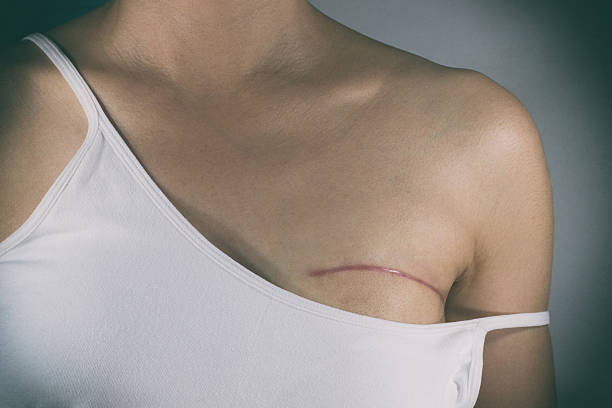
Several factors determine whether a mastectomy is required, including:
Tumor Size and Location
Large tumors involving large area of skin or those spread across multiple parts of the breast (multi centric disease) may not be amenable to breast-conserving surgery.
Cancer Stage
More advanced stages often require mastectomy for complete removal of cancerous tissue.
Genetic Factors
Some patients with high genetic risk (e.g., BRCA mutations) may opt for mastectomy even in early stages.
Patient Preferences
Some women may choose mastectomy to reduce the risk of recurrence.
As Dr. Chitkara explains, “The decision to go for mastectomy is not solely about the size or stage of the tumor—it’s about a comprehensive treatment plan that prioritizes safety and long-term health outcomes.”
Early-Stage Cases That May Need Mastectomy

In early-stage breast cancer, mastectomy is not always necessary, but it may be recommended in certain cases:
Large Tumors
If the tumor is large and difficult to remove with breast-conserving surgery, mastectomy may be suggested.
Multiple Tumors
When cancer is found in more than one area of the breast, mastectomy may be the best option to ensure all affected tissue is removed.
Non-Responsive Tumors
Tumors that do not respond well to chemotherapy or other treatments may require mastectomy for effective removal.
Dr. Garvit Chitkara adds, “Even in the early stages, the complexity of the tumor and the patient’s overall health play a crucial role in determining the need for mastectomy.”
Mastectomy in Advanced Disease
For more advanced stages of breast cancer, a mastectomy is often the most effective treatment option:
Larger Tumors
As cancer grows, it can invade surrounding tissues, making it harder to remove with breast-conserving surgery.
Aggressive Tumors
Fast-growing, high-grade cancers which do no respond to initial chemo or targted therapy often require a more aggressive approach, such as a mastectomy.
“Advanced breast cancer often requires a more aggressive approach. Mastectomy helps ensure we remove all the cancerous tissue, which is critical to the patient’s long-term recovery,” states Dr. Chitkara.
Situations Not Based on Stage
While cancer stage is a key factor, some women may require mastectomy for reasons unrelated to the stage of cancer:
Genetic Mutations (e.g., BRCA)
Women with a high genetic risk may opt for mastectomy even before cancer develops, as a preventive measure.
Personal Choice
Some patients may choose mastectomy due to emotional or psychological factors, preferring the peace of mind that comes with removal of the entire breast.
Recurrent Cancer
If breast cancer returns after a lumpectomy, mastectomy may be necessary to eliminate all cancerous tissue.
When Breast-Conserving Surgery Is Still Possible
In many cases, mastectomy is not required, even in later stages of cancer:
Small Tumors
If the tumor is small and isolated, breast-conserving surgery may still be an option.
Tumors That Respond Well to Treatment
In cases where chemotherapy or radiation shrinks the tumor effectively, mastectomy may be avoided.
Patient’s Health and Preferences
A patient’s overall health and their preferences for cosmetic outcomes can also influence the decision.
Dr. Chitkara notes, “For many women, breast-conserving surgery remains a viable option. It is a personalized decision that depends on tumor size, location, and patient factors.”
How Doctors Decide
The decision to perform a mastectomy is made after careful consideration of the following factors:
Cancer Characteristics
The aggressiveness, size, and location of the tumor.
Patient’s Health and Age
Younger patients or those in good health may be candidates for breast-conserving surgeries.
Genetic Testing
Testing for gene mutations such as BRCA can impact the decision.
Personal Preferences
Patient comfort with the decision-making process is essential.
“We don’t rush the decision. It’s crucial to evaluate the tumor, the patient’s health, and their emotional readiness,” explains Dr. Chitkara.
Conclusion
Mastectomy is a significant decision that depends on several factors, including the stage of breast cancer, tumor characteristics, patient preferences, and overall health. While not every case of breast cancer requires a mastectomy, it is a crucial treatment option in certain situations. A breast cancer surgeon will work with each patient to ensure that the decision is in their best interest.
Understanding when a mastectomy is needed is vital in the fight against breast cancer, ensuring that every patient receives the most appropriate care for their unique situation.
Frequently Asked Questions
Q1: Can a mastectomy be avoided in advanced-stage breast cancer?
Ans: In some cases, breast-conserving surgery may still be an option if the tumor is small and localized, or if it responds well to chemotherapy or targeted therapy.
Q2: Is mastectomy the only option for breast cancer treatment?
Ans: No, mastectomy is not the only option. It depends on various factors like the cancer’s stage, type, and location. Other treatments like chemotherapy, radiation, and breast-conserving surgery may also be suitable.
Q3: Can I still get breast reconstruction after a mastectomy?
Ans: Yes, breast reconstruction is often performed after mastectomy to restore the breast’s appearance and is a very commonly done surgery using either patients own fat and skin or silicone implants
Q4: How long does the entire reconstruction process take?
Ans: It can range from a few months to over a year depending on whether expansion, healing, and revisions are needed. Patience is key for best results.
Q5: Do all women choose nipple and areola reconstruction?
Ans: No, it’s optional. Some women feel comfortable without it, while others prefer it for a sense of completeness.
Not sure if mastectomy is the right choice for you? Reach out to Dr. Garvit Chitkara for expert guidance and a personalized treatment plan.