
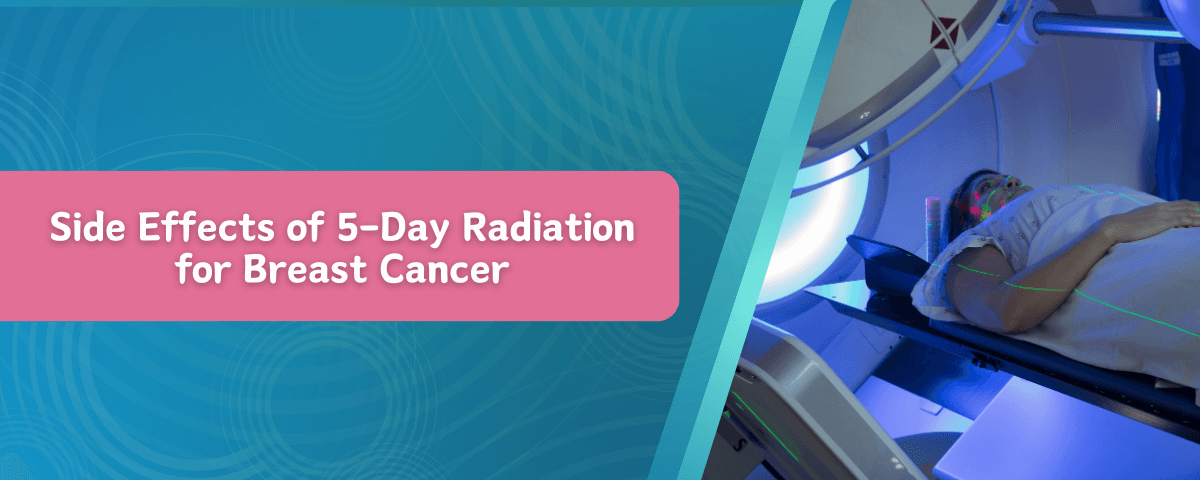
Radiation therapy is a cornerstone in treating breast cancer, offering hope and improved survival outcomes. While the 5-day radiation treatment is effective, it’s important for patients to understand the potential side effects that come with it. Knowing what to expect, how long side effects may last, and how to manage them can help you stay proactive throughout your treatment journey.
Dr. Garvit Chitkara, a leading breast cancer surgeon in Mumbai, highlights the common side effects of radiation therapy and shares valuable insights on how to handle them.
If you’ve had breast cancer in the past and are noticing new or unusual symptoms, don’t wait to talk to your doctor. It’s always best to consult early for peace of mind and the best possible care.
Why Radiation Causes Side Effects

Radiation therapy works by targeting cancer cells in the breast using high-energy rays. However, these rays can also affect nearby healthy cells, causing temporary side effects. The intensity of the radiation is the same, regardless of whether the course is 5 days or longer, and this can lead to discomfort in the treated area.
- Damage to healthy cells: Although radiation primarily targets cancer cells, it can also harm surrounding healthy tissue.
- Inflammatory response: Radiation can trigger inflammation in the skin and tissues.
- Gradual effect: The radiation builds up over several sessions, leading to cumulative effects that manifest over time.
Dr. Garvit Chitkara explains,
“Radiation therapy plays a crucial role in treating breast cancer, but side effects are a natural part of the process. Understanding them and knowing how to manage them can greatly impact your recovery.”
Common Short-Term Side Effects
- Fatigue: Feeling more tired than usual, even with adequate rest.
- Skin changes: Redness, irritation, or dryness in the treated area.
- Breast tenderness: The breast may become tender to the touch.
- Swelling: The treated area may swell, causing discomfort.
- Loss of appetite: Some patients may experience a temporary decrease in appetite.
Dr. Garvit Chitkara explains,
“Fatigue is one of the most common side effects, so it’s important to listen to your body. Make sure to rest when needed, stay hydrated, and take care of yourself throughout your treatment.”
Experiencing side effects from radiation treatment? Consult Dr. Garvit Chitkara to learn more about managing them effectively and ensuring a smooth recovery.
Less Common Side Effects of 5-Day Radiation for Breast Cancer
Though less frequent, some patients experience side effects that go beyond the more common symptoms. These may be more concerning, but can still be managed effectively with proper care.
Less common side effects may include:
- Lung or heart issues: If radiation spreads beyond the breast, it can sometimes affect the lungs or heart.
- Bone pain: Aches or discomfort may occur in the ribcage or chest area.
- Pigmentation changes: Some patients may notice their skin becoming darker or lighter in the treated area.
- Nausea: While rare, some people may experience nausea, especially if radiation affects lymph nodes or surrounding areas.
Dr. Garvit Chitkara adds,
“While these side effects are rare, it’s important to monitor them closely. With the right treatment and care, most of them can be managed effectively. It is also is important to understand these side effects are dose and machine dependant, the modern machines can reduce the side effects by saving the essential organs like lung and heart from exposure during radiation therapy to breast. So it is important to choose the right machine and expertise”
How Long Do Side Effects Last after Radiation

Understanding the duration of side effects helps set realistic expectations during your treatment. While most side effects are temporary, the time they last varies for each patient.
Duration of common side effects:
- Fatigue: Generally lasts a few days to a few weeks after treatment ends.
- Skin irritation: May resolve within 2-4 weeks after radiation.
- Tenderness and swelling: Usually improves within a few weeks.
- Appetite changes: Typically subside within a few days to weeks.
Dr. Garvit Chitkara recommends,
“For most patients, side effects start to improve shortly after treatment ends. However, if they persist or get worse, it’s important to contact your healthcare provider.”
Worried about how long side effects might last? Reach out to Dr. Garvit Chitkara for a personalized plan to help manage your symptoms and improve your treatment experience.
How to Manage Side Effects
Managing side effects proactively ensures that you can continue your treatment with minimal disruption to your daily life. Here are some tips from Dr. Garvit Chitkara, a renowned breast oncologist in Mumbai, to help you manage side effects effectively.
Key tips to manage side effects:
- For fatigue: Get plenty of rest, stay hydrated, and engage in light physical activity as recommended by your doctor.
- For skin irritation: Use gentle, fragrance-free moisturizers, and avoid sun exposure to the treated area.
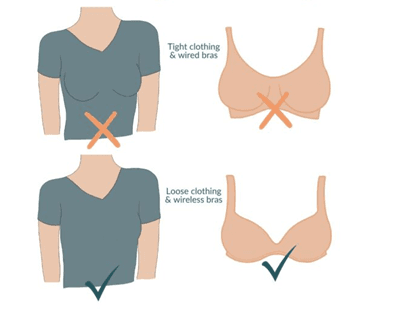
- For tenderness: Wear a supportive bra and avoid tight clothing around the breast.
- For swelling: Elevate the affected area when resting and avoid heavy physical activity.
- For nausea: Eat small, frequent meals and drink plenty of fluids to stay hydrated.
Dr. Garvit Chitkara suggests,
“Managing side effects involves taking care of both your body and mind. Focus on self-care, and keep an open line of communication with your healthcare team to stay comfortable throughout treatment.”
When to Contact Your Doctor

While most side effects are manageable, there are certain symptoms that may require medical attention.
- Skin changes: If redness or irritation becomes severe or doesn’t improve after a few weeks.
- Severe pain: If tenderness or pain in the breast becomes intense or constant.
- New or worsening symptoms: If you experience shortness of breath, persistent coughing, or chest pain.
Dr. Garvit Chitkara emphasizes,
“If you’re concerned about any side effects or if something doesn’t feel right, don’t hesitate to reach out. Your health and comfort are our top priorities.”
Conclusion
5-day radiation for breast cancer can be a highly effective treatment, but like all medical interventions, it comes with potential side effects. Understanding these side effects, how long they might last, and how to manage them ensures a smoother treatment journey. Dr. Garvit Chitkara, a trusted breast cancer surgeon in Mumbai, is dedicated to helping you navigate this process with expert care and support.
If you’re experiencing side effects or have concerns about your treatment, contact Dr. Garvit Chitkara today for personalized guidance and support.
Frequently Asked Questions
- How long will the side effects of 5-day radiation last?
Most side effects last a few weeks after the treatment ends, but some may persist for a longer time, depending on the individual. - Can I continue my daily activities during radiation treatment?
Yes, most patients can continue their daily routines, but it’s important to rest and listen to your body when needed. - What should I do if the side effects become unmanageable?
Contact your doctor to discuss your symptoms and explore additional strategies to manage them effectively. - Will the radiation affect my ability to detect cancer in the future?
No, radiation therapy does not interfere with the ability to monitor for recurrence, and regular imaging will still be effective. - Are there any long-term side effects of 5-day radiation?
Long-term side effects are rare but may include skin changes or tissue damage, which your doctor will monitor during follow-up appointments.