
Modified Radical Mastectomy in Mumbai
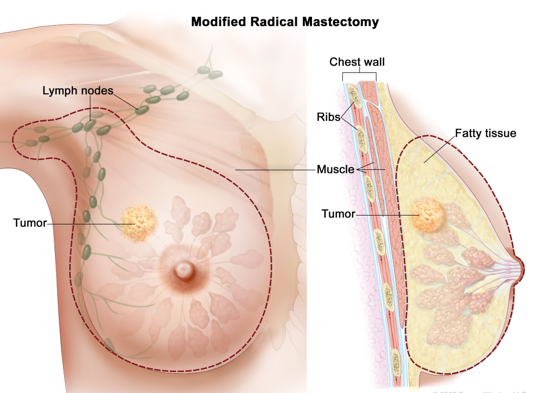
Modified Radical Mastectomy (MRM) is a commonly performed procedure for treating breast cancer when removal of the entire breast along with nearby lymph nodes is required. It is recommended in situations where breast-conserving surgery may not be suitable or when cancer has spread to the axillary lymph nodes.
For patients diagnosed with moderate to advanced breast cancer, this surgery plays an important role in controlling disease spread while allowing further treatments such as chemotherapy, radiation therapy, or breast reconstruction surgery if needed.
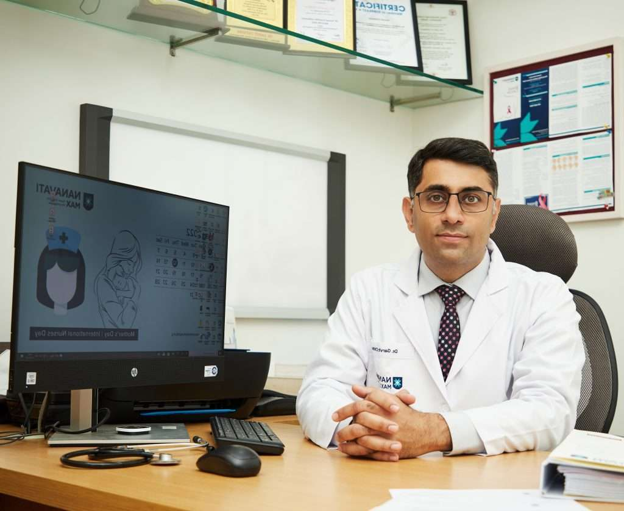
Dr. Garvit Chitkara, breast cancer surgeon in Mumbai, explains:
“Modified Radical Mastectomy is performed with the goal of complete cancer removal while minimizing complications and supporting recovery through structured follow-up care.”
When Is Modified Radical Mastectomy Recommended?
Modified Radical Mastectomy may be advised when breast cancer requires removal of the breast along with lymph nodes in the underarm region.
Common situations where this surgery may be recommended include:
How Is Modified Radical Mastectomy Performed?
Step-by-Step Overview
Pre-Surgical Planning
Before surgery, imaging tests and blood investigations are reviewed. The surgical area is carefully marked to guide precise removal.
During the Procedure
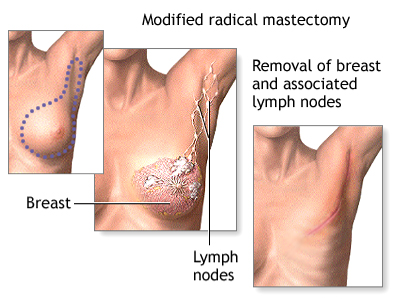
The surgeon removes:
- Entire breast tissue
- Axillary lymph nodes, the surgeon will perform a sentinel lymph node biopsy before removing the nodes, and will do so only if they are positive on frozen section examination
- Surrounding tissues, if required
A surgical drain is placed to remove excess fluid, and the incision is closed using techniques that support healing.
Duration of Surgery
The procedure usually takes 2 to 3 hours, depending on the extent and complexity.
Patents are offered breast reconstruction if a mastectomy is being planned. Whole breast reconstruction can be done both at the time of mastectomy ( primary reconstruction) or after some time in a second sitting ( secondary reconstruction)
Recovery After Modified Radical Mastectomy
Recovery after a Modified Radical Mastectomy varies depending on individual health and treatment needs, but most patients follow a structured healing timeline.
Most patients stay in the hospital for 2 to 3 days after surgery.
During the early recovery period, patients may experience:
- Mild to moderate pain
- Swelling or tightness near the surgical area
- Drain placement for fluid removal
- Limited arm movement initially
Exercises and physiotherapy are often recommended to maintain shoulder mobility and prevent stiffness.
Most patients gradually resume normal activities within 3 to 4 weeks, depending on healing progress.
Doctor’s Advice:
“Recovery after mastectomy is not only physical but also functional. Early arm exercises and follow-up care are essential for smooth recovery,” advises Dr. Garvit Chitkara, oncologist in Mumbai.
Risks & Possible Complications
Like any major surgical procedure, Modified Radical Mastectomy carries certain risks. These risks vary depending on overall health and treatment complexity.
Possible complications may include:
area
site
Most complications can be managed effectively with early medical care and proper follow-up.
Doctor’s Note:
“Recognizing symptoms early and attending regular follow-ups helps prevent long-term complications after mastectomy,” says Dr. Garvit Chitkara, breast cancer specialist in Mumbai.
Can Breast Reconstruction Be Done After Modified Radical Mastectomy?
Yes, breast reconstruction surgery can be performed after Modified Radical Mastectomy to restore breast shape and symmetry.
Reconstruction may be done:
Performed during the same surgery as mastectomy.
Delayed Reconstruction
Performed months or years after completing treatments such as chemotherapy or radiation therapy.
Reconstruction options may include:
- Implant-based reconstruction
- Tissue (flap) reconstruction
- Combination techniques
The decision depends on cancer stage, treatment plan, and patient preference.
Why Choose Dr. Garvit Chitkara for Modified Radical Mastectomy?
Specialized Breast Cancer Expertise
Focused experience in breast cancer oncoplastic surgery.
Individualized Treatment Planning
Advanced Surgical Techniques
Multidisciplinary Care
Patient-Centered Approach
Doctor’s Quote:
“Every mastectomy is planned with precision, keeping both cancer control and patient recovery as top priorities,” says Dr. Garvit Chitkara, breast cancer surgeon in Mumbai.