
Surgery marks the end of one phase, not the end of care. What happens in the months and years after breast cancer surgery is just as important as the operation itself. Follow-up appointments catch recurrence early, monitor treatment side effects, and give patients a structured opportunity to raise concerns before they become problems. Skipping them is one of the more common and more avoidable mistakes in post-treatment care.
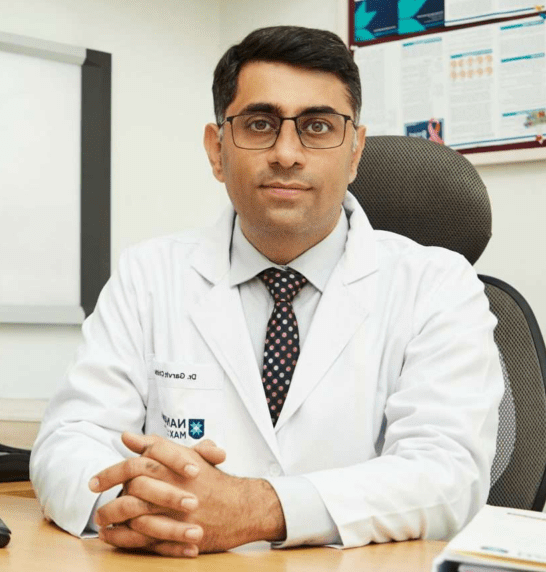
According to Dr. Garvit Chitkara, a trusted Breast Cancer Surgeon in Mumbai,
“Follow-up is not a formality. It’s where we look for early signs that something has changed, where we review how hormone therapy is being tolerated, and where we pick up on things patients have noticed but haven’t flagged. The appointments get further apart over time, but they never stop mattering. A recurrence caught at a routine follow-up is in a completely different position to one caught because symptoms became impossible to ignore.”
What does the follow-up schedule look like after breast surgery?
The frequency changes over time, but the structure is consistent across most patients. Most breast surgical oncologists follow a schedule along these lines:
- Every three to four months for the first two years. This is the highest-risk period for recurrence. Appointments cover clinical examination, review of any new symptoms, and assessment of how ongoing treatment such as hormone therapy is being tolerated.
- Every six months from years two to five. As the recurrence risk decreases, appointment frequency reduces. Annual mammography of the treated and contralateral breast continues throughout this period and beyond.
- Annual follow-up from year five onward. Long-term surveillance continues indefinitely for most patients, particularly those on extended hormone therapy. Annual imaging and clinical review remain part of the plan.
- Imaging schedule alongside clinical visits. Mammography is typically done annually. MRI is added for high-risk patients or where mammography is unreliable due to breast density or implants. Blood tests are not a standard surveillance tool for detecting recurrence but are used to monitor treatment side effects.
The surgical approach chosen also shapes what is monitored at follow-up. Patients who had complex procedures benefit from continuity with the same surgical team. The breast cancer surgery page covers the procedures offered and what post-operative monitoring each involves.
Are you following the right schedule after breast surgery?
What is actually checked at a follow-up appointment?
Each visit is more than a quick check. Several things are assessed together:
- Clinical breast examination. Both breasts, the chest wall, and the axilla are examined for any new lumps, skin changes, or lymph node enlargement. This takes only a few minutes but it is the core of every follow-up visit.
- Side effect review for ongoing treatment. Patients on tamoxifen or aromatase inhibitors are asked about joint pain, bone density, mood changes, and menopausal symptoms. Dose adjustments or switches are made when side effects are significantly affecting quality of life.
- Wound and reconstruction review. Patients who had reconstruction are assessed for implant position, capsular contracture, symmetry, and any new concerns. This is especially relevant in the first two years after surgery.
- Psychological and quality of life check. Fear of recurrence, fatigue, sleep disturbance, and difficulty returning to normal activity are common and are worth raising at every visit. These are not secondary concerns.
Chemotherapy side effects that persist after treatment ends are another reason follow-up appointments matter beyond just checking for recurrence. Many patients manage ongoing chemotherapy side effects for months after their last cycle, and follow-up is where those are tracked and treated.
Why Choose Dr Garvit Chitkara ?
Dr. Garvit Chitkara is Associate Director of Breast Surgical Oncology and Oncoplasty at Nanavati Max Institute of Cancer Care, Mumbai, with 17 years of experience in breast surgical oncology. Every patient leaves with a clear follow-up plan from the point of discharge, not pieced together over multiple appointments.
FAQ
What happens if I miss a follow-up appointment after breast cancer surgery?
Missing occasional appointments is understandable, but gaps in follow-up mean missed opportunities to catch recurrence early or address treatment side effects. Reschedule as soon as possible and inform your surgeon if you’ve noticed any changes.
Do follow-up schedules differ by cancer subtype?
Yes. Triple-negative cancers have the highest early recurrence risk, so monitoring is particularly close in the first three years. HR positive cancers carry a longer recurrence window, meaning follow-up extends further. Your surgeon will tailor the schedule to your subtype and treatment.
Will I always need annual mammograms after breast cancer surgery?
Yes, for the rest of your life in most cases. Annual mammography of both the treated and untreated breast is standard long-term surveillance regardless of how long ago the surgery was.
Is it normal to feel anxious before follow-up appointments?
Very. Scanxiety, as it is commonly called, is one of the most reported experiences among breast cancer survivors. Telling your care team about this is useful because there are strategies that help, and it tends to ease with each clear result over time.