TL;DR
Early signs of breast cancer may include a lump, nipple discharge, skin dimpling, swelling, pain, or changes in breast shape and texture. While not every symptom indicates cancer, timely screening and early medical evaluation can improve treatment outcomes and recovery chances significantly.
Breast cancer’s early symptoms are often subtle but shouldn’t be ignored. The most common sign is a new lump or hard mass in the breast or underarm that feels different from surrounding tissue, usually painless with irregular edges. You might notice changes like one breast appearing larger or differently shaped, skin dimpling resembling an orange peel, nipple turning inward, or unusual discharge especially if it’s bloody or clear. Other warning signs include unexplained swelling, persistent redness or thickening of the skin, pain in one area that doesn’t go away after your period, or swollen lumps under your arm or near your collarbone that need immediate medical attention.
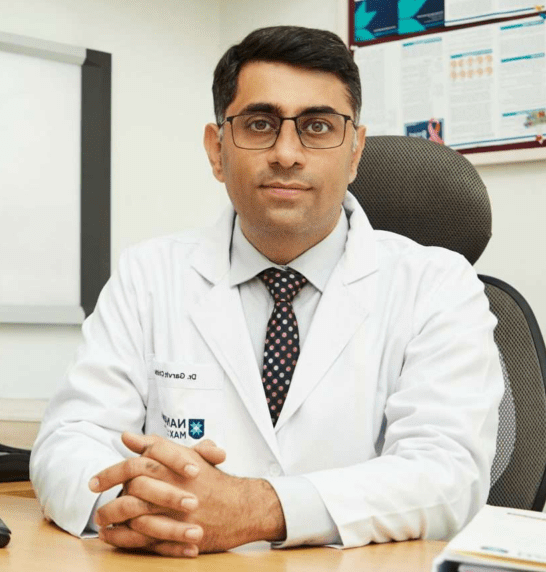
Dr. Garvit Chitkara, an acclaimed breast cancer surgeon in Mumbai, says that,
“It is important to note any early signs of the disease even if you are feeling overwhelmed. By doing so, you can ensure that you get the best care possible and have the best chance of beating the disease.”
If you notice any persistent breast changes, schedule a consultation with a breast cancer specialist for early diagnosis and personalized treatment options.
What is breast cancer?
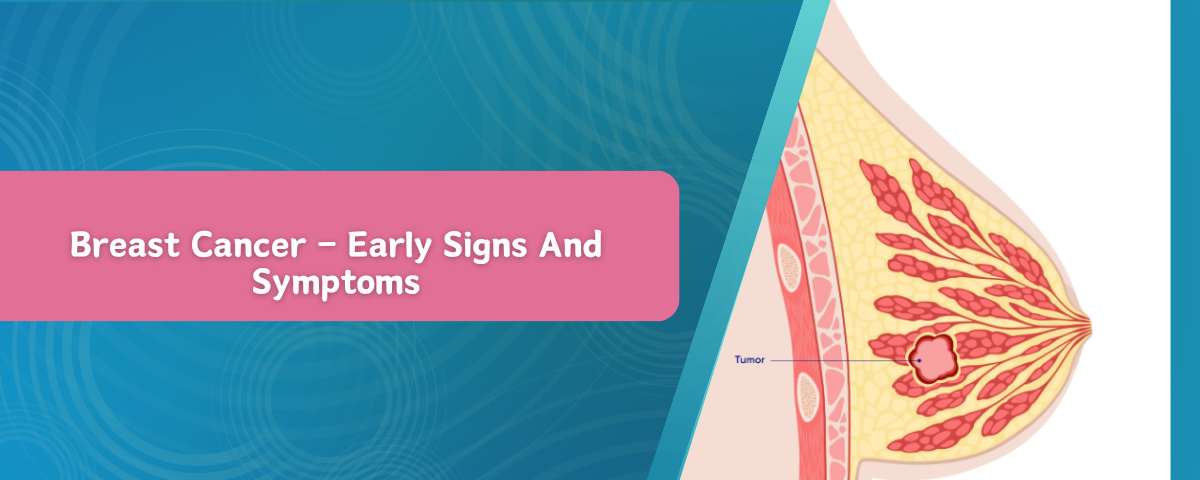
Breast cancer starts in the tissue of your breast. Breast cancer develops when cells in your breast mutate (alter) and grow uncontrollably, resulting in a tumor (a mass of tissue). Breast cancer, like other cancers, has the ability to enter and expand into the tissue that surrounds your breast. It can also spread to other areas of your body, resulting in additional tumors.
If you are a woman, make sure you know how your breasts feel and look and examine them on a regular basis. This will assist you in identifying any changes or irregularities as they arise.
It is crucial that you get any unusual or unexplained lumps in your breast tissue checked out by a doctor. Dr. Garvit Chitkara, a highly-skilled breast oncoplastic surgeon in Mumbai, says that most lumps do not turn out to be cancerous.
How can you recognize a lump?
Breast lumps are not all the same size or shape. A cancer lump in the breast is most commonly:
A hard and firm mass that feels distinctly different from the rest of your breast tissue, almost like a marble or pebble embedded beneath the skin. Most of the time it’s painless, which is exactly why women brush it off at first, though some do experience discomfort or tenderness around the area.
Irregular edges that aren’t smooth or round like benign cysts tend to be. If you run your fingers over it, the boundaries feel unclear or jagged rather than well-defined and circular.
Limited mobility when you try to push it. Cancerous lumps often feel fixed to the surrounding tissue or move very little, unlike benign lumps that can shift around more freely when pressed. This may be a little difficult for you to figure out and needs a clinician to examine to determine mobility.
Can occur in any part of the breast or axilla (armpit area). Location doesn’t rule out cancer, lumps can appear anywhere in breast tissue or surrounding areas.
- Grows bigger over time. If you notice a lump that seems to be getting larger over weeks or months, that’s a red flag requiring immediate evaluation regardless of how it feels otherwise.
It may be more difficult to detect lumps or changes in your breasts if your breast tissue is thick or dense. A malignant lump can sometimes appear in other parts of your breast. It may feel rounded, tender, and soft. The lump might be painful in some circumstances.
However, the eminent breast cancer surgeon, Dr. Garvit Chitkara, says that not all cancerous lumps have the above traits. Your doctor should examine any lump, regardless of whether it exhibits any of the symptoms listed.
If you have a family history or notice concerning symptoms, consult an oncologist to discuss genetic testing, preventive measures, and personalized screening based on your risk.
What are the other symptoms of breast cancer?
The following are the most common symptoms of breast cancer symptoms, in addition to a lump:
Swelling on a part or entire breast, even without a distinct lump you can feel. The breast may appear larger on one side, or the skin might look puffy or inflamed without any obvious cause.
Discharge from your nipple (not breast milk in case you are breastfeeding). This can be clear, bloody, yellowish, or have an unusual color. Even if it seems minor, discharge from one nipple without squeezing warrants medical evaluation.
Scaling or irritation in your nipple or breast that doesn’t go away despite using lotion or switching bras. Persistent itching or rash-like symptoms around the nipple area.
Reddening of the skin on your nipples and breast. The skin might appear inflamed, warm to the touch, or noticeably different in color from the surrounding tissue.
The skin on your nipples and breast thickens. The texture feels different when you touch it, rougher or thicker than the rest of your breast tissue.
The appearance of a mole, or change in an existing mole on your nipple or breast. Any new growth or change in size, color, or shape of existing moles near the breast area.
Your nipple is inverted or turned inward when it didn’t do that before. Sudden nipple retraction is a warning sign that shouldn’t be ignored.
Pain in your nipple or breast that persists in one specific area and doesn’t correlate with your menstrual cycle. While breast pain is usually not a sign of cancer, persistent discomfort in one spot should be checked.
Dimpling in your skin of the breast, often described as looking like an orange peel (peau d’orange). The skin appears puckered or indented in certain areas.
Tender or swollen lymph node around your collarbone or in the armpit area. Swelling or lumps in these areas can indicate cancer has spread to nearby lymph nodes.
Noticing any of the symptoms does not necessarily mean that you have breast cancer; however, it is a good indication that you should see the doctor.
What are the risk factors?
Breast cancer is more likely to occur if you have certain risk factors. Some risk factors are unavoidable; however, others can be mitigated or even eliminated depending on your lifestyle decisions and choices.
The following are the most significant risk factors for breast cancer:
Gender: Breast cancer is more prevalent in women than in men, though men can get it too (accounting for about 0.5-1% of cases).
Age: Women over 55 are more likely to develop invasive breast cancer. Risk increases significantly with age.
Family history: Your risk is increased if a relative of the first degree, such as your sister, mother, or daughter, has had breast cancer. Having two first-degree relatives with breast cancer further elevates risk.
Genetics: In very few cases, breast cancer may be caused by genes handed down from generation to generation, such as BRCA1 and BRCA2 mutations.
Race: According to the NCI (National Cancer Institute), Hispanic/Latina and Asian women are marginally less likely to acquire breast cancer than White and African-American women. Although it is noteworthy that breast cancer is a growing problem in India, especially
Benign lumps: Some benign (noncancerous) breast lumps or conditions can increase your chances of acquiring breast cancer later in life, such as atypical hyperplasia.
Menstrual history: If your menstrual period started before the age of 12, it could increase your chances of developing breast cancer due to longer lifetime exposure to hormones.
Delayed menopause: If you have delayed menopause after you turn 55, you are exposed to more hormones, increasing your risk for breast cancer.
Dense breast tissue: According to studies, women with thick breast tissue will more likely acquire cancer. The denseness in your tissue may further make it difficult to identify cancer on mammograms.
Hormone use: Your risk of breast cancer is likely to be greater if you have taken or are using HRT (hormone replacement treatment), especially for prolonged periods.
Weight: The risk for breast cancer increases if you are overweight or obese, particularly after menopause when fat tissue becomes a major source of estrogen.
Sedentary lifestyle: Women who do not lead an active life and do not exercise regularly have a higher risk of getting breast cancer than those who exercise frequently.
Tobacco use: Breast cancer is increased by smoking, especially if you are a younger woman who has not yet reached menopause. Smoking also complicates treatment and recovery.
Alcohol consumption: Your risk of breast cancer may increase with each drink you consume. While some research suggests that consuming a moderate amount of alcohol is harmless, heavy alcohol use has been linked to an increased risk of breast cancer.
Can a man have breast cancer?
Men can get breast cancer, too, though it is uncommon. Men account for about 0.5-1% of breast cancer cases worldwide. Breast cancer treatment for men has the same guidelines as it does for women.
When should you visit a doctor?
If you have any symptoms that could indicate breast cancer, you should see a doctor. Although most lumps are not cancerous, a doctor can assess and help rule them out. Regular screenings can help identify changes before any lump becomes visible. Mammography is advised every 2 years once you have reached the age of 50.
Dr. Garvit Chitkara, a renowned breast specialist in Mumbai, adds that people at a higher risk of breast cancer, such as those who have a family history of the disease, may require more frequent screening.
Conclusion

Although early detection is essential for detecting breast cancer in its early stages and reducing the chances of recurrence, many women have difficulty looking past the stigma of discussing their health issues. Unfortunately, this leads to many cases of early-stage breast cancer being ignored and left to progress without treatment.
The sooner you catch signs of breast cancer, the sooner your treatment options will be available and the better your results will be.
If you have noticed changes in the way your breast looks and feels, do not hesitate or delay any longer. Schedule an appointment with Dr. Garvit Chitkara at the earliest.
Dr. Garvit Chitkara is a top-notch surgeon with over 17 years of experience in breast cancer surgery in Mumbai. He is always focused on providing holistic treatment for breast cancer in a secure, reassuring, and welcoming atmosphere. In addition, he strives to give his patients the optimum aesthetic result while maintaining oncological safety.
If you’re experiencing warning signs, book an appointment with a breast specialist for screening tests like mammography and biopsy to catch cancer early when it’s most treatable.
FAQ
Can men get breast cancer?
Yes, though rare. Men account for about 0.5-1% of breast cancer cases worldwide. Treatment follows the same guidelines as for women.
At what age should I start getting mammograms?
Age 50, then every 2 years. If breast cancer runs in your family or you have other risk factors, your doctor may recommend earlier and more frequent screening.
Are all breast lumps cancerous?
No. Most are benign (fibroadenomas, cysts). However, any new lump needs a doctor’s evaluation to rule out cancer.
What should I do if I notice breast changes?
Schedule an appointment with a specialist immediately. Early evaluation through clinical exam and imaging catches problems when they’re easiest to treat.
References
- World Health Organization – Breast Cancer Statistics 2020
https://www.who.int/news-room/fact-sheets/detail/breast-cancer - National Cancer Institute – Breast Cancer Risk Factors
https://www.cancer.gov/types/breast/risk-fact-sheet