
Chemotherapy is one of the most powerful treatments for breast cancer, helping to shrink or eliminate tumors and reduce the risk of cancer spreading. However, it comes with a range of side effects that can feel overwhelming. While these side effects are often temporary, they can still impact your quality of life during treatment. Understanding these side effects and knowing how to manage them is essential for staying comfortable and empowered throughout your journey.
In this blog, we will walk you through common breast cancer chemotherapy side effects, explain the differences between short-term and long-term symptoms, and provide expert tips for managing them at home.
How Chemotherapy Works in Breast Cancer Treatment
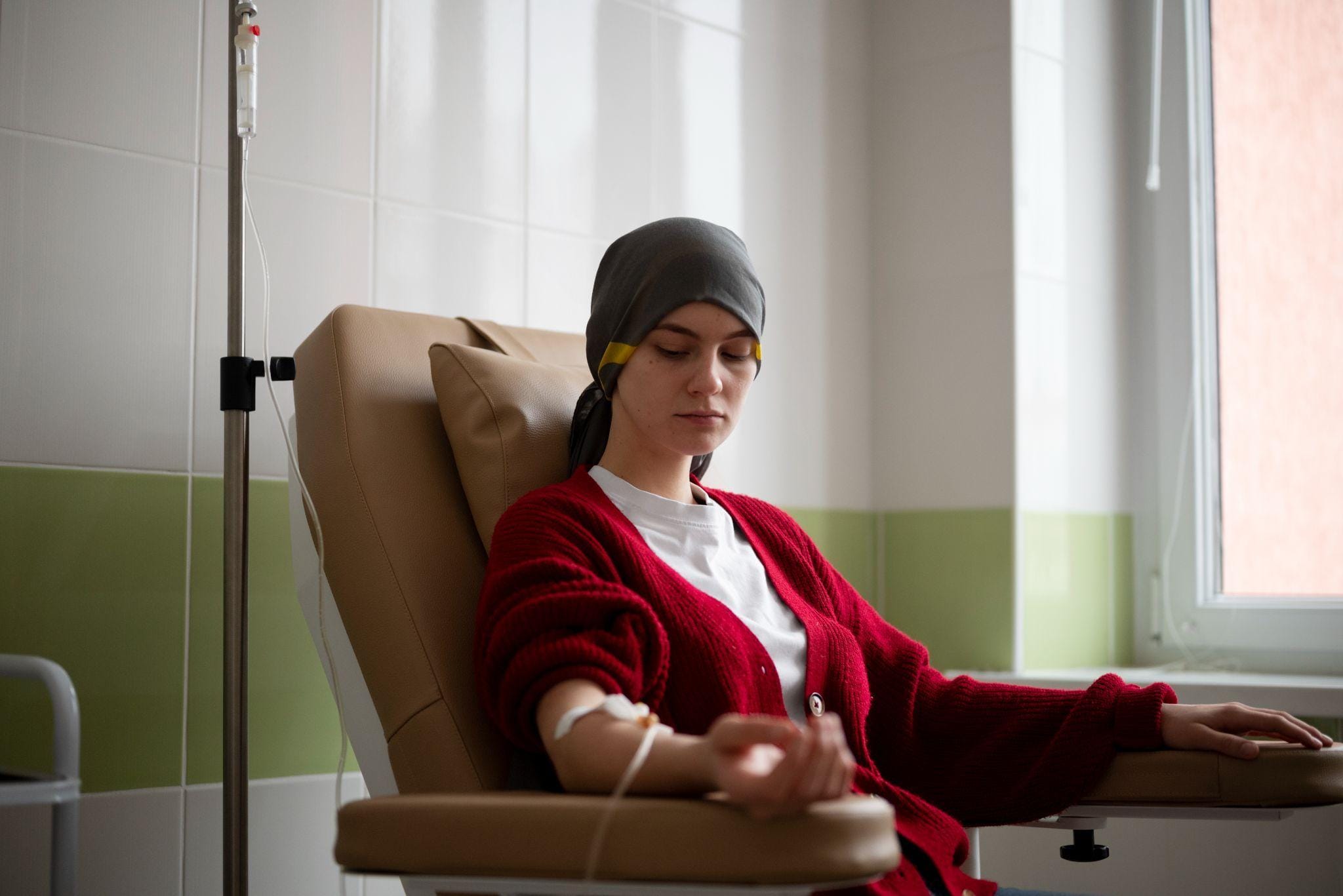
Chemotherapy is designed to target and destroy cancer cells by disrupting the way these cells divide and multiply. The chemotherapy drugs circulate through your bloodstream, targeting cancer cells in the breast and, in some cases, other areas of the body where cancer may have spread.
However, chemotherapy also affects healthy, fast-growing cells in your body, which leads to various side effects. These healthy cells can be found in areas like your hair follicles, digestive system, and bone marrow.
As Dr. Garvit Chitkara, a leading breast cancer surgeon in Mumbai, explains, chemotherapy is highly effective against cancer cells, but it can also affect healthy cells and that’s what leads to most side effects. The good news is that with the right care and monitoring, these side effects can be managed well.
Chemotherapy is often used in conjunction with other treatments such as surgery, radiation, or hormone therapy, depending on the type and stage of breast cancer
If you’re starting chemotherapy soon, don’t hesitate to discuss side effects and management strategies with your healthcare team. Schedule an appointment to ensure you’re well-prepared.
Common Short-Term Side Effects of Breast Cancer Chemotherapy

-
Although chemotherapy is effective, it can bring on a variety of short-term side effects that may vary in intensity from person to person. Here are the most common side effects:
1. Fatigue
Fatigue is one of the most common and challenging side effects of chemotherapy. It’s not just normal tiredness but an overwhelming sense of exhaustion that doesn’t go away with rest.
Tip: Take frequent breaks, rest as much as you can, and consider gentle activities like walking to maintain energy levels.2. Hair Loss
Losing your hair during chemotherapy can feel difficult, especially as it’s one of the most visible side effects. Hair loss typically starts within a few weeks of treatment and is usually temporary.
Dr. Garvit Chitkara advises:
“While hair loss can be a tough side effect, it is temporary, and many patients find comfort in using wigs, scarves, or hats during this time. Rest assured, your hair will grow back once treatment ends.” With the modern technology at our disposal we can prevent hairloss during the use of certain chemotherapeutic drugs. The technology is called a ‘cooling cap’ and is available in good centers it prevents harfall during certain chemotherapy.3. Nausea and Vomiting
Chemotherapy often causes nausea and vomiting, particularly after treatment sessions. Modern anti-nausea medications are highly effective in managing these symptoms, so don’t hesitate to talk to your doctor for support.
Tip: Stick to bland foods like khichdi,idli,upma,curd/dal rice or toast, and drink plenty of fluids to stay hydrated.CTA: If you’re experiencing nausea or vomiting, schedule a consultation to adjust your treatment or medication for better symptom control.
4. Mouth Sores
Mouth sores or ulcers are another common side effect, making eating and drinking painful. Keeping up with oral hygiene using gentle products and regularly rinsing with salt water can help reduce discomfort.
Dr. Garvit Chitkara suggests:
“Regular oral care is key to preventing infections or worsening mouth sores. If sores become severe, your doctor can provide solutions to ease the pain.”5. Weakened Immune System
Chemotherapy lowers your white blood cell count, weakening your immune system. This makes you more susceptible to infections, so extra care is necessary.
Tip: Avoid large crowds, wash your hands often, and take extra care to avoid exposure to illnesses.
Concerned about your weakened immune system? Consult your healthcare provider for advice on boosting your immunity during chemotherapy.
Long-Term Side Effects of Breast Cancer Chemotherapy
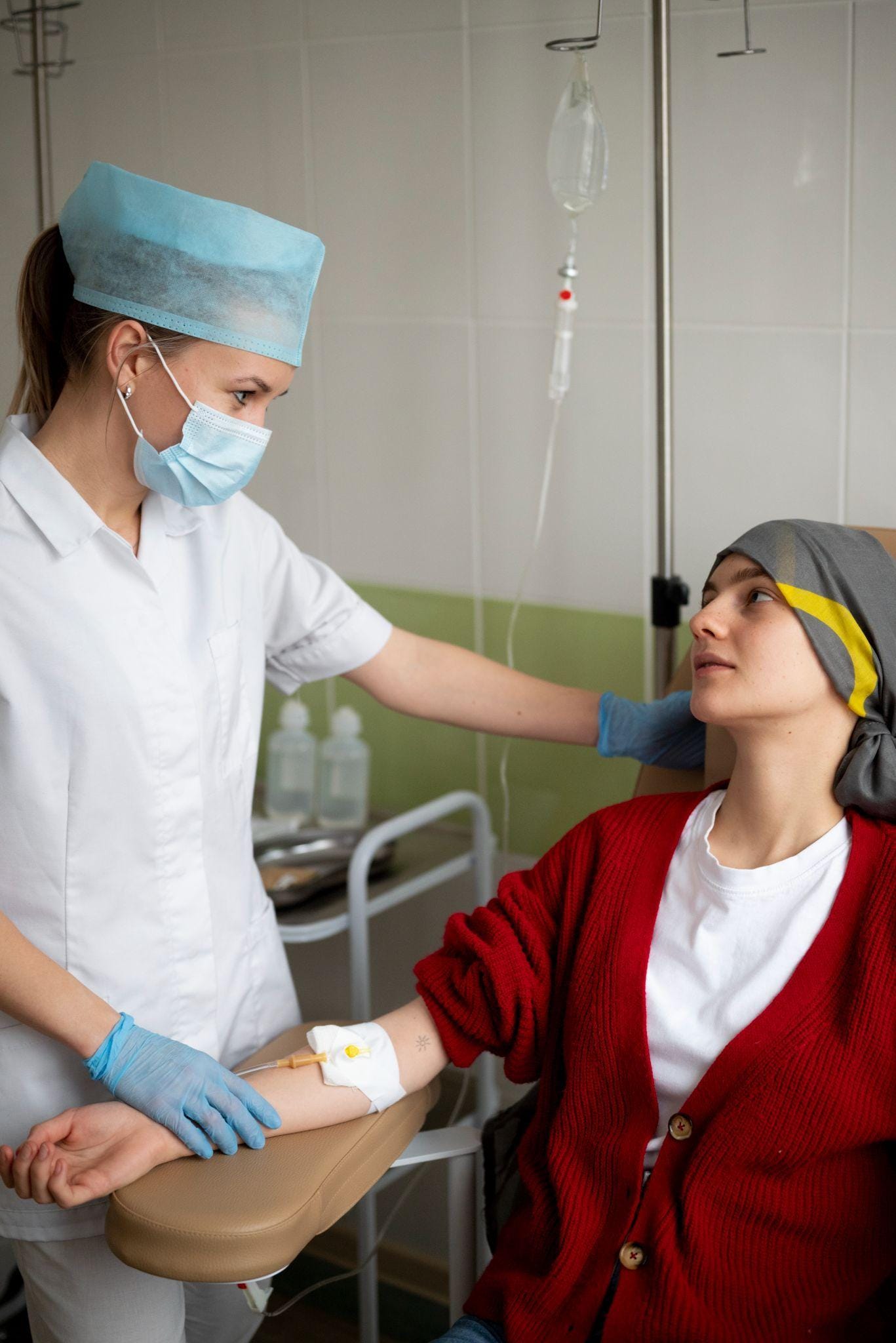
In addition to short-term side effects, some individuals experience long-term effects even after chemotherapy treatment ends. These effects can vary widely from person to person and depend on factors such as the chemotherapy drugs used, the treatment duration, and your overall health:
1. Neuropathy
Neuropathy occurs when chemotherapy damages the nerves, causing tingling, numbness, or pain in your hands and feet.
Tip: If neuropathy becomes bothersome, talk to your doctor about pain management strategies, and avoid activities that put extra strain on your hands or feet. It is important that neuropathy is reported in time and the dosage of the drugs is adjusted accrdingly so that the damage to the nerves can be limited and is not a permannent quality oif life issue
2. Heart Health Issues
Certain chemotherapy drugs can affect the heart. Regular heart health monitoring is important, especially if you are at risk for cardiovascular issues.
Dr. Garvit Chitkara explains:
“Heart issues are rare, but we monitor patients closely to ensure any potential problems are detected early.”
3. Fertility Changes
Chemotherapy can affect fertility, particularly for younger women. If preserving fertility is important to you, discuss options like egg/embryo freezing before beginning treatment.
Tip: Speak with your doctor about your fertility concerns before starting chemotherapy to explore available options.
4. Bone Health
Some chemotherapy treatments can reduce bone density over time, increasing the risk of fractures. Bone health should be monitored regularly, and your doctor may recommend supplements or other treatments.
5. Chemo brain
Many chemotherapy patients experience chemo brain, a phenomenon that leads to memory lapses and difficulty concentrating.
Tip: Cognitive exercises and a consistent routine can help improve focus and memory over time.
If you’re dealing with chemo brain, consult your doctor for cognitive strategies and ways to stay mentally sharp during treatment.
Managing Chemotherapy Side Effects at Home
While side effects of chemotherapy can’t always be avoided, there are several things you can do at home to alleviate discomfort and improve your well-being:
1. Stay Hydrated
Drinking plenty of fluids is essential to help your body flush out the chemotherapy drugs and stay hydrated. Water, herbal teas, and clear broths are ideal.
2. Eat Small, Frequent Meals
If you’re experiencing nausea or loss of appetite, try eating small meals throughout the day rather than larger ones. This can help reduce stomach discomfort and provide you with more consistent energy.
3. Get Plenty of Rest
Fatigue is one of the most common breast cancer chemotherapy side effects. It’s essential to rest when you need to. Don’t be hard on yourself for taking naps or going to bed early.
4. Oral Care
Mouth sores are a common side effect of chemotherapy, so it’s important to maintain good oral hygiene. Use a soft toothbrush and rinse with salt water to help soothe mouth sores.
5. Pain Relief
For mild pain, over-the-counter pain relievers can help. However, always check with your doctor before taking any new medications to ensure they’re safe to use during chemotherapy.
When Side Effects Need Immediate Medical Attention
While most chemotherapy side effects can be managed at home, some require immediate medical attention. Call your doctor if you experience any of the following:
- Shortness of breath or chest pain
- Severe bleeding or bruising
- A fever higher than 100.5°F (38°C)
- Signs of infection, such as redness, swelling, or pus at a wound site
Foods to Eat During Chemotherapy to Reduce Side Effects
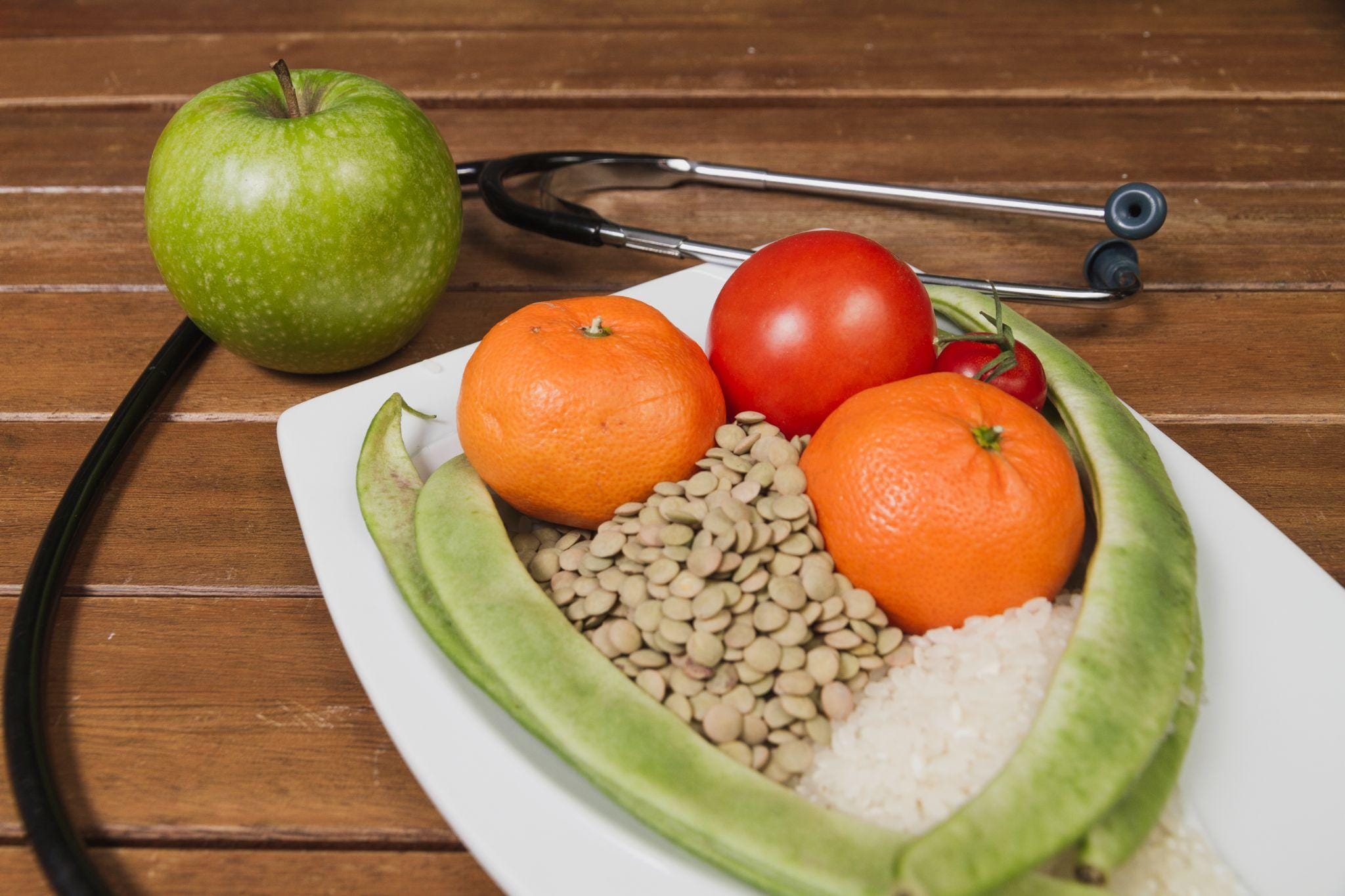
Maintaining a healthy diet during chemotherapy is key to managing side effects and keeping your energy up. Here are some foods that can help reduce common symptoms:
- Ginger: Known for its anti-nausea properties, ginger can help soothe an upset stomach. Ginger tea or ginger candies are great choices.
- Protein-rich foods: Lean meats, tofu, and beans are essential for maintaining muscle mass and supporting your immune system.
- Leafy greens: Spinach and kale are rich in vitamins that help boost your overall health.
- Hydrating fruits: Watermelon, and oranges, are hydrating and packed with antioxidants.
- Whole grains: Brown rice, quinoa, and oats are easy on the digestive system and provide steady energy.
Tips to Stay Healthy During Breast Cancer Chemotherapy
Here are some tips to stay healthy, both physically and emotionally, during chemotherapy:
1. Practice Stress Relief
Stress can worsen chemotherapy side effects. Take time for activities that help you relax, such as reading, meditation, or light exercise.
2. Stay Active
Gentle activities like walking or stretching can help you maintain strength and boost your mood.
3. Lean on Your Support System
Don’t hesitate to reach out to friends, family, or support groups. Having people to talk to and help you through tough days can make a big difference.
4. Follow Your Doctor’s Advice
Stick to your treatment plan and attend all appointments. Your doctor is there to support you every step of the way.
5. Track Side Effects
Keeping a journal of your side effects helps your doctor make any necessary adjustments to your treatment plan. This can also give you peace of mind knowing that your doctor is staying on top of your progress.
Frequently Asked Questions
1. How long do chemotherapy side effects last?
Most side effects will subside within a few weeks to months after your treatment ends, though some, like neuropathy, may last longer.
2. Can chemotherapy be stopped if the side effects are too severe?
Yes, your doctor can adjust your chemotherapy plan, lower the dose, or switch medications if the side effects become too difficult to manage.
3. How can I prevent chemotherapy side effects?
While it’s impossible to prevent all side effects, staying hydrated, eating a nutritious diet, and getting plenty of rest can help reduce their severity.
4. Is it safe to continue working during chemotherapy?
Many people continue working while undergoing chemotherapy, but it depends on how you’re feeling. It’s important to adjust your work schedule based on your energy levels.
5. How can I manage hair loss during chemotherapy?
Consider wearing wigs, scarves, or hats during hair loss. Some patients also find scalp cooling systems help minimize hair loss.