

When a woman discovers a lump in her breast, her initial worry is often whether it could be cancerous. However, not all breast lumps indicate malignancy. Around 10% of women develop fibroadenomas, which are solid, benign lumps in the breast.
It is important to keep track of any changes or growth in fibroadenomas, even though they are non-cancerous. Seeking prompt medical attention from an experienced oncologist is crucial if you discover a breast lump or if an imaging test reveals a tumor.
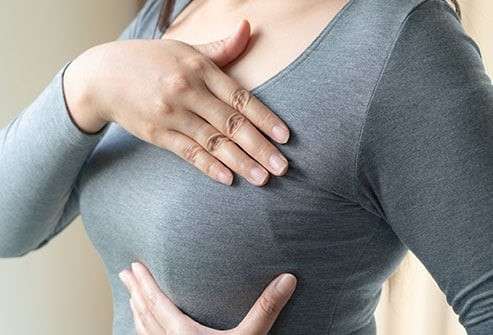
While most breast lumps are not cancerous, it is highly recommended that you have them examined by a specialist such as Dr. Garvit Chitkara, a renowned breast cancer surgeon in Mumbai. Dr. Chitkara is a senior consultant at the Nanavati Max Institute of Cancer Care, located at Nanavati Max Super Speciality Hospital in Mumbai.
Breast cancer vs. fibroadenoma overview
Breast cancer is a malignant tumor that develops in the cells of the breast. It is the most prevalent cancer in women worldwide and ranks as the leading cause of cancer deaths in women, after lung cancer.
On the other hand, fibroadenoma is a benign breast disease that forms in the breast’s fibrous and glandular tissue. It is typically smooth and round in shape and commonly affects women under the age of 30. While fibroadenomas can be removed if they are causing discomfort or deemed cosmetically undesirable, they are not considered a threat to life.
It is important to note that breast cancer and fibroadenoma are two different conditions with distinct characteristics and treatments. Early detection, diagnosis, and treatment by a medical professional like Dr. Garvit Chitkara, a leading breast cancer surgeon in Mumbai, can increase the chances of successful treatment and recovery.
Are breast cancer and fibroadenoma painful?
Breast cancer may cause pain, although not all cases are painful. The level of pain may depend on various factors, such as the size and location of the tumor or the type of treatment. Some individuals with breast cancer may not experience any pain at all. In contrast, fibroadenoma is typically not painful. However, some individuals with fibroadenomas may feel tenderness or discomfort in their breasts, which usually resolves on its own.
According to Dr. Garvit Chitkara, a renowned breast cancer surgeon in Mumbai, “Early detection is key to better treatment and prognosis, so if you are experiencing breast pain or any other symptoms, it is important to seek medical attention promptly.”
What are the symptoms of breast cancer and fibroadenoma?
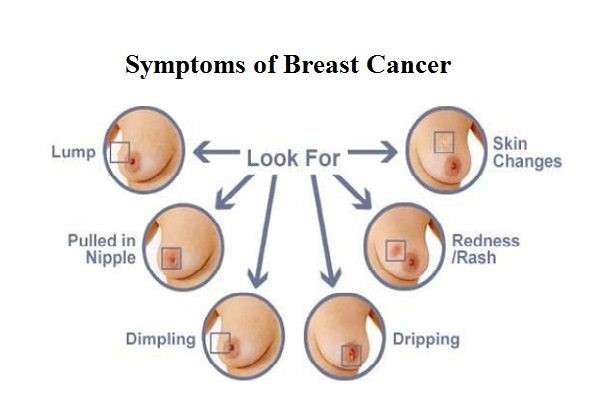
Symptoms of breast cancer
A lump or thickening in the breast or underarm area
A change in the size or shape of the breast
Dimpling or puckering of the skin of the breast
A change in the appearance of the nipple, such as inversion or discharge
Redness, scaling, or swelling of the nipple or breast skin
Symptoms of fibroadenoma:
A smooth, round lump in the breast
It is important to note that not all breast lumps are cancerous, and fibroadenomas are usually benign. However, if you notice any of these symptoms, it is important to consult a healthcare professional for proper evaluation and diagnosis. Early detection and treatment can significantly improve the prognosis and outcome of both conditions.
What are the causes and risk factors for breast cancer and fibroadenoma?

Breast cancer: The causes of breast cancer are not fully understood, but there are several known risk factors, including:
Being a woman
It is important to note that having one or more of these risk factors does not necessarily mean that someone will develop breast cancer. Furthermore, some people may develop breast cancer even without any known risk factors.
Fibroadenoma: The exact cause of fibroadenomas is not fully understood, but there are several risk factors that may increase the likelihood of developing them, including:
Having a family history of fibroadenomas
Once again, having any of these risk factors does not necessarily mean that someone will develop a fibroadenoma. Additionally, some people may develop fibroadenomas without any known risk factors.
What is the treatment for breast cancer and fibroadenoma?
The treatment for breast cancer and fibroadenoma varies depending on the specific type and stage of cancer, as well as the characteristics of the fibroadenoma. Here are some general approaches to treatment:
Breast cancer treatment

Chemotherapy : involves the use of powerful drugs to kill cancer cells throughout the body. It is often used in combination with other treatments to improve the effectiveness of the overall treatment plan..
Hormonal therapy: This approach involves using medications to block the effects of hormones on cancer cells, which can slow or stop the growth of the cancer.
Other treatments, such as targeted therapy and immunotherapy, may also be options depending on the specific type and characteristics of the breast cancer. It is important to discuss all of the available options with your healthcare provider to determine the best course of treatment for you.
Fibroadenoma treatment

Treatment options for fibroadenoma may include:
It’s important to discuss your treatment options with your doctor, who can help determine the best approach for your specific case.
It is important to note that breast cancer and fibroadenomas are two different conditions and require different treatments. If you are diagnosed with breast cancer or fibroadenoma, it is recommended that you discuss your treatment options with a medical professional.
What is the recovery like after breast cancer and fibroadenoma treatment?
The recovery process after breast cancer or fibroadenoma treatment can vary depending on the type of treatment received. Breast cancer treatment can be physically and emotionally challenging, with some people experiencing side effects such as fatigue, pain, and changes in breast appearance. It may take some time to adjust to these changes and regain a sense of normalcy.
After fibroadenoma surgery, the recovery period is usually relatively quick. You may experience pain and swelling for a few days after the procedure, but these symptoms should subside within a week or two. In most cases, you will be able to resume your normal activities shortly after surgery.
How can we prevent breast cancer and fibroadenoma?
To reduce the risk of developing breast cancer, you can take several steps:
- Maintain a healthy weight: Being overweight or obese can increase your risk of both breast cancer and fibroadenoma.
- Exercise regularly: Regular physical activity, for at least 30 minutes on most days of the week, can help reduce the risk of breast cancer.
- Limit alcohol consumption: If you choose to drink alcohol, limit yourself to no more than one drink per day, as excessive alcohol consumption has been linked to an increased risk of breast cancer.
- Quit smoking: Smoking has been linked to an increased risk of breast cancer, so quitting smoking is crucial for reducing the risk of breast cancer and other health problems.
- Breastfeed: If you have children, breastfeeding can help reduce your risk of breast cancer.
- Have your first child before 30 years of age.
While there are no specific steps to prevent fibroadenoma, regular breast self-exams can help detect the condition early, making treatment more effective.
Outlook
Breast cancer and fibroadenoma are two distinct conditions with several differences:
- Breast cancer is a cancerous tumor that has the potential to spread to other parts of the body, while fibroadenoma is a non-cancerous tumor that does not spread.
- Breast cancer can be life threatening if not diagnosed and treated promptly, whereas fibroadenoma is generally not harmful and does not require treatment unless it causes symptoms or is cosmetically undesirable.
- Breast cancer is usually treated with surgery, chemotherapy, radiation therapy, or a combination of these treatments. Fibroadenoma is typically treated with surgery to remove the tumor.
- Breast cancer can cause various symptoms, such as a lump in the breast, changes in breast size or shape, and changes in the skin of the breast. Fibroadenoma may not cause any symptoms other than a lump or mass in the breast that can be felt during a self-examination or detected on an ultrasound.
If you have any concerns about your breast health, it is important to schedule an appointment with a qualified healthcare professional for proper evaluation and treatment. Dr. Garvit Chitkara, an expert breast cancer surgeon in Mumbai, is available for consultation at Nanavati Max Super Speciality Hospital, Mumbai.
Frequently Asked Questions
Q. Can fibroadenoma turn out to be cancer?
A. Fibroadenomas are typically benign tumors composed of glandular and connective tissue. While they are not cancerous and do not have the potential to turn into cancer, it is important to get any unusual breast lumps or changes checked out by a healthcare provider to rule out the possibility of cancer. In some cases, the diagnosis may be incorrect, or there may be other underlying conditions that need to be evaluated.
Q. Do fibroadenomas grow?
A. Fibroadenomas typically grow slowly and often remain the same size or shrink over time. In some cases, they may grow rapidly, but this is uncommon. It is important to monitor any changes in size or texture and to get them checked by a healthcare provider to rule out the possibility of cancer or other health conditions.