
Most women will have a breast lump at some point in their lives. Breast lumps are usually benign, but they can also be a sign of breast cancer, says Dr. Garvit Chitkara, a renowned breast cancer surgeon in Mumbai.
What is a breast lump?
Most breast lumps are benign, which means they are not cancerous. However, some breast lumps can be a sign of breast cancer. It can occur in any part of the breast.
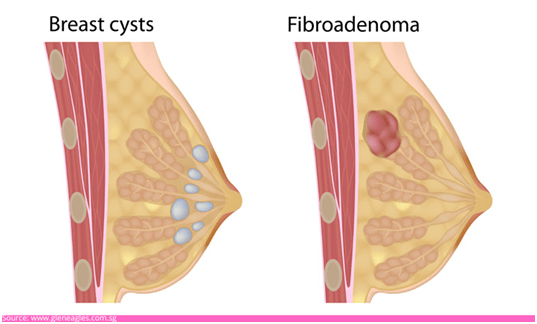
Cysts: These are fluid-filled sacs that are usually not cancerous.
Fibroadenomas: These are benign breast lumps that are made up of breast tissue and fibrous connective tissue.
If you can feel what appears to be a breast lump, please speak with Dr. Garvit Chitkara, an acclaimed breast oncology surgeon in India, to determine the cause and whether you require treatment.
Can breast lumps occur in men?
Although the words ‘breast’ and ‘breast lump’ are typically associated with women, men can also develop a lump in their breasts.
Gynecomastia is a disorder that can affect men and cause the male breast to enlarge and occasionally become sensitive. The area beneath the nipple may also potentially develop a breast lump. This disorder frequently affects both breasts.
Although more testing may be required to pinpoint a reason, this issue can be linked to imbalances in the hormonal levels or a side effect of certain medications. When the doctors cannot detect a cause, the condition is referred to be “idiopathic.”
If you are a male and detect a lump in your breasts, please visit Dr. Garvit Chitkara, an eminent breast surgical oncologist in Mumbai, for a checkup because men can also acquire breast cancer.
What are the causes of breast lumps?
Breast lumps can be caused by various factors, including benign conditions such as fibrocystic breasts or infection and more severe conditions such as breast cancer. However, a breast lump typically does not indicate breast cancer.
Some of the causes include:
Fibrocystic changes (Changes in your breast tissues) –These are small sacs packed with fluid and fibrous tissue that feel rubbery and lumpy.
Cysts – These are sacs filled with fluid and occur when fluid gets trapped in the breast milk ducts. Premenopausal women frequently develop cysts.
Fibroadenomas –It is the most frequent benign lump in young women (between 20 – 30 years of age). Fibroadenomas are most prevalent in the years when a person is most fertile.
Intraductal papillomas – These are small, wart-like growths that can form inside milk ducts in the breasts.
Fat necrosis-sometimes post trauma to the breast the fat undergoes hardening because of lack of blood supply this is called fat necrosis. . It may also occur following radiation therapy or breast surgery. When fat cells die, they release their contents into the surrounding tissue, which can lead to inflammation and scarring.
Breast infection – A lump may result from an infection that affects the breast tissue.
Lipoma – A lipoma is a fatty mass that develops slowly and is typically found between the muscle layers beneath your skin. It generally is not painful, feels doughy, and slides easily when you apply slight pressure.
Gynecomastia –As mentioned above, it affects men and causes their breasts to enlarge and occasionally become tender and sensitive.
Breast Cancer –It is cancer that forms in tissues of the breast, usually the ducts (milk ducts), lobules (milk-producing glands), or both. It occurs when some cells in the breast start dividing in an uncontrolled and abnormal manner.
What does a lump in the breast feel like?
When should I consult a health professional?

According to the American Cancer Society, you should see a doctor if you have any of the following breast changes:
A lump in your breast
Breast pain
Nipple discharge (fluid) that starts suddenly
A change in the size, shape, or appearance of your breast
A change in the appearance of your nipple, such as crusting, ulceration, redness, or inverted (pulled inward instead of protruding)
A lump in your underarm area
If you have any of the above symptoms, it is crucial to see a highly-skilled breast surgeon like Dr. Garvit Chitkara so you can be properly diagnosed.
Conclusion

Most breast lumps are benign. However, it is essential to see a doctor if you have a breast lump so it can be properly diagnosed. A breast lump must be treated with surgery, radiation, or chemotherapy if it is cancerous.
If you detect a lump or any changes in your breast, please schedule an appointment with Dr. Garvit Chitkara at the earliest. He is a top-notch breast oncologist and among the preferred surgeons for people seeking breast cancer surgery in Mumbai.
He can determine what caused the bump in your breast and whether you require treatment. Early therapy has the best chance of success if the lump is cancer. Do not postpone maintaining your breast health.
Breast cancer is a serious disease but is treatable if diagnosed early.