
TL;DR
Yes, breast cancer can return even 17 years later, though recurrence risk drops over time. It’s driven by dormant cells, original tumour characteristics, lymph node burden, and lifestyle. Watch for new lumps, skin or nipple changes, or persistent pain. Lifelong surveillance and healthy habits help detect recurrence early.
If you have had breast cancer in the past and are now facing the possibility of its return after 17 years, it is understandable that you may be feeling anxious and uncertain about what the future holds. It is important to remember that every person’s situation is unique, and it is impossible to predict with certainty what will happen in your case.
“Yes, it is possible that breast cancer returns after 17 years or even longer. However, the risk of recurrence decreases over time, as compared to the first few years after initial treatment. You must continue to follow your oncologist’s recommended surveillance and follow-up care, even many years after their initial treatment, in order to detect any possible recurrences at the earliest.
The surveillance may include regular physical exams, mammograms, and possibly other imaging and blood tests.” Says Dr. Garvit Chitkara, a Breast cancer surgeon in Mumbai.
“Easier said than done; it is also important to consider your overall health and well-being. Maintaining a healthy lifestyle, including eating a healthy diet, regular exercise, and not smoking, can help improve your overall health and possibly reduce your risk of cancer recurrence. It is also important to manage stress and seek support from loved ones and healthcare professionals if you feel overwhelmed.” Explains Dr. Chitkara.
It is important to remember that while it is not possible to eliminate the risk of breast cancer recurrence, there are things that you can do to improve your chances of successful treatment if cancer does return. It is essential to discuss your concerns and treatment options with your doctor to make informed decisions about your care.
What causes the recurrence of breast cancer?
Complete and successful treatment of breast cancer does not ensure prevention from recurrence. Recurrent cancer is dependent on certain factors like how advance the disease was when you started treatment or how you responded to the treatment etc. what really causes the recurrence? The answer to that is very case specific, but below is a generalized explanation for all those who are sailing the same boat of uncertainty.
- One of the main factors is the presence of cancer cells that were not fully eliminated by the initial treatment. These cancer cells can remain dormant in the body and multiply, leading to cancer recurrence.
- Specific characteristics of original cancer (such as the size of the tumor, stage of the disease, subtype of the breast cancer, the presence of particular proteins on the cancer cells, and the grade of cancer)

3. Certain patient factors (such as a high body mass index, a history of smoking, and certain genetic mutations), and
4. The type of treatment received (some treatments may be more effective at eliminating cancer cells than others).
It is important to note that not all breast cancer recurrences can be attributed to a specific cause, and in some cases, the reason for a recurrence may not be apparent.
Who is at high risk of recurring breast cancer?
Patient with large tumour size at presenation
oestrogen receptor-positive tumours,
high lymph node burden at the time of presenation .
Such patients may need increased monitoring, more aggressive therapy, or novel treatment modalities.
What are the risks associated with the return of breast cancer?
The risks associated with the return of breast cancer (recurrence) depend on a variety of factors, including the specific characteristics of the cancer, the location of the recurrence, and the patient’s overall health. Some potential risks and complications associated with breast cancer recurrence may include the following:
The need for additional treatment: If cancer has returned, it may be necessary to undergo further treatment such as surgery, chemotherapy, radiation therapy, hormone therapy, or targeted therapy. These treatments can have potential side effects and may not successfully eliminate all cancer cells.
The spread of cancer to other parts of the body: If cancer has returned and is not caught early, it may spread (metastasize) to other parts of the body, which can be more challenging to treat and may have a poorer prognosis.
Reduced quality of life: The physical and emotional effects of cancer and cancer treatment can take a toll on a person’s quality of life, and the return of cancer can be tough to cope with.
What are the signs and symptoms that breast cancer has returned?
The signs of breast cancer returning can vary depending on the location of the cancer and the specific type of cancer. Some common signs and symptoms of breast cancer recurrence may include:
A new lump or thickening in the breast or underarm area
Changes in the size or shape of the breast
Dimpling or puckering of the skin
Nipple discharge
Redness or scaling of the nipple or breast skin
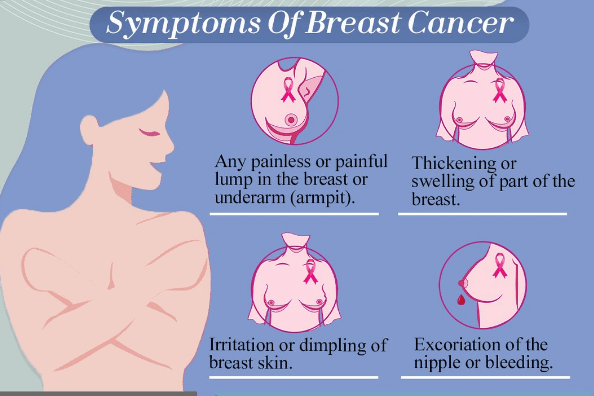
Swelling in the breast or underarm area
Pain in the breast or underarm area
A change in the appearance of the breast or nipple (such as an inverted nipple or rash)
Persistent cough, fever, pain in the chest, back, or hip, weight loss, lost appetite, seizures, headaches, and difficulty breathing.
If you have had breast cancer in the past and are experiencing any of these symptoms, it is important to contact your breast cancer surgeon in Mumbai as soon as possible. They can perform an examination and possibly order additional tests to determine the cause of your symptoms. It is important to remember that other non-cancerous conditions can also cause these symptoms, and it is vital to have them evaluated by a healthcare professional.
What line of treatment is followed?
The treatment for breast cancer that has returned (recurred) will depend on various factors, including the specific type of cancer, the location of the recurrence, the patient’s overall health, and the treatments that the patient has received in the past.
Possible treatment options for breast cancer recurrence may include:
Surgery: This can consist of a local surgery to remove the cancerous tissue or a more extensive surgery such as a mastectomy (removal of the breast)
Radiation therapy: This treatment uses high-energy beams to kill cancer cells. It can treat cancer that has recurred in the breast or other areas of the body.
Chemotherapy: This treatment uses medications to kill cancer cells.
Hormone therapy: This treatment uses medications to block the production or action of hormones such as estrogen and progesterone, which can help slow or stop the growth of certain types of breast cancer.
Targeted therapy: This treatment uses medications that target specific proteins or genes that are involved in the growth and spread of cancer cells.
The specific treatment plan will depend on the patient’s situation and may involve one or a combination of these treatments. It is essential to discuss your treatment options, including whether you will breast cancer surgery in Mumbai, with your doctor and his team to make an informed decision about your care.
What can I do to prevent the recurrence of breast cancer?
There are no sure ways to prevent the recurrence of breast cancer, as it is not always possible to identify the exact cause of a cancer recurrence. However, there are some things that you can do to reduce your risk of breast cancer recurrence or to improve your chances of successful treatment if cancer does return. These may include:
Following your recommended follow-up care: It is important to attend all of your follow-up appointments and to follow your healthcare provider’s recommendations for screenings and other types of surveillance. This can help detect any potential recurrences as early as possible.
Frequently Asked Questions
1. Which type of breast cancer has the highest risk of late recurrence?
Hormone receptor-positive (ER-positive) breast cancers are more likely to have a risk of late recurrence compared to other subtypes. Your individual risk depends on factors such as tumour size, lymph node involvement, and the treatments you received.
2. What are the signs that breast cancer may have returned?
Possible signs include a new lump in the breast or chest wall, swelling near the collarbone or underarm, persistent bone pain, unexplained weight loss, ongoing cough, or severe headaches. These symptoms can have many causes, so they should always be evaluated by a doctor.
3. How can I reduce the risk of breast cancer recurrence?
Following your recommended treatment plan, attending regular follow-up appointments, taking prescribed hormone therapy if advised, maintaining a healthy weight, exercising regularly, limiting alcohol intake, and avoiding smoking can all help support long-term health.