
TL;DR
Fibroadenomas are benign breast lumps, most common in women aged 21–25 and accounting for under 5% of cases over 50. They don’t raise cancer risk but warrant evaluation given age-related concerns. Options include observation, surgical excision, or image-guided biopsy. Recurrence after 50 is uncommon; regular screening is key.
Fibroadenomas are common non-cancerous breast lumps composed of glandular and fibrous tissue. But, the occurrence of fibroadenoma over age 50 may escalate concerns. While typically benign, it can cause worry, especially in older individuals. The risk of breast cancer increases with age. This leads to heightened concern when individuals discover lumps later in life. It can evoke fear and anxiety, not just for the individual but also for their loved ones.
Dr. Garvit Chitkara, a respected breast cancer surgeon in Mumbai, sheds light on this topic. He offers clarity and guidance with his expertise and compassionate approach.
Here’s something important to consider: Can you develop fibroadenoma over age 50? Let’s delve into this question to gain clarity and understanding.
Can a 50 Year Old Have Fibroadenoma?
Fibroadenomas can develop at any age due to hormonal fluctuations. They are found in approximately 9% of women. They are more common in younger women, typically aged 21 to 25 years old. Fibroadenoma over age 50 accounts for fewer than 5% of cases.
Benign breast lumps after 50, can trigger heightened concern. This age group faces an increased risk of breast cancer. So, the discovery of any breast abnormality can lead to understandable anxiety. However, it’s essential to remember that fibroadenomas themselves are not cancerous. They are non-cancerous growths that do not increase the risk of developing breast cancer.
Despite their benign nature, you should not ignore fibroadenomas. Consulting a breast specialist is crucial for accurate diagnosis and appropriate management.
Symptoms Of Fibroadenoma Of Breast
Many fibroadenomas are asymptomatic and discovered incidentally during routine breast exams or imaging studies. However, some individuals may experience:
Palpable Lump: The most noticeable symptom is a firm, rubbery lump in the breast. It feels distinct from the surrounding tissue.
Breast Pain: In some cases, fibroadenomas may cause localized breast pain or discomfort. This usually occurs if they grow larger or press on nearby structures.

Changes in Breast Texture: Fibroadenomas may alter the texture of the breast tissue, making the area feel denser or firmer than usual.
Breast Enlargement or Swelling: Large fibroadenomas may cause the affected breast to appear enlarged or swollen compared to the other breast.
Nipple Discharge: Nipple discharge may occur rarely, particularly if they exert pressure on the milk ducts.
New Lumps: Feeling the lumps or thickenings in the same area or even anywhere else the breast.
As mentioned earlier, not all fibroadenomas cause symptoms. Any changes in the breast need prompt attention by a healthcare professional.
Consult a breast specialist today for expert evaluation and peace of mind.
Causes And Risk Factors Of Fibroadenoma Over Age 50
Fibroadenomas typically manifest in women in their 20s and 30s. However, they can still develop in older individuals. Here are some causes of breast fibroadenoma:
Hormonal Changes: Fluctuations in hormone levels, particularly estrogen, can contribute to the development of fibroadenomas. This hormonal imbalance may occur naturally as women age.
Family History: Individuals with a family history of fibroadenomas or other breast conditions may have an increased risk.
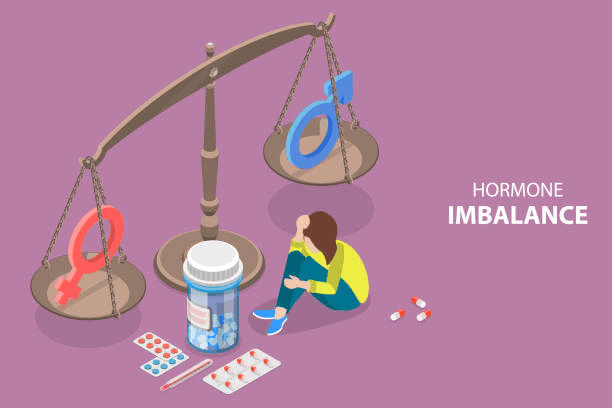
Hormone Replacement Therapy (HRT): Women who undergo HRT, especially for an extended duration after menopause, may be at higher risk.
Obesity: Being overweight or obese can disrupt hormonal balance and increase the risk in older individuals.
Breast Trauma: Previous breast trauma or injury, such as from surgery or accidents, may also be a risk.
Reproductive History:
- Your reproductive history that may influence fibroadenoma risk include:
- early onset of menstruation
- late menopause
- nulliparity (never giving birth)
Can Fibroadenoma Occur After Menopause?
Yes, fibroadenomas after menopause can occur, but they are less common. Hormonal fluctuations decrease post-menopause. However, fibroadenomas can still develop due to hormonal changes or other factors.
According to the eminent breast cancer surgeon in Mumbai, Dr. Chitkara:
“The importance of vigilance regardless of age cannot be overstated. You can do some simple things for early detection and timely intervention. These include regular breast self-exams, clinical breast exams, and mammograms.”
If not, it’s time to take charge of your breast health. Contact a healthcare provider for proactive screening and guidance.
Exploring Fibroadenoma Recurrence In Women Over 50
Yes, the recurrence of fibroadenoma over age 50 is possible. Fibroadenomas can make a comeback, even after surgical removal. However, the likelihood decreases with age.
“Recurrence is uncommon,” says Dr. Garvit Chitkara, a distinguished breast cancer surgeon in Mumbai. “Staying vigilant is key to ensuring optimal breast health. Post-operative monitoring and regular breast exams are important to detect any signs of a recurrence early. Early detection can ensure timely medical intervention for best outcomes.”
Have you noticed any changes or abnormalities in your breasts?
Treatment Options For Fibroadenoma
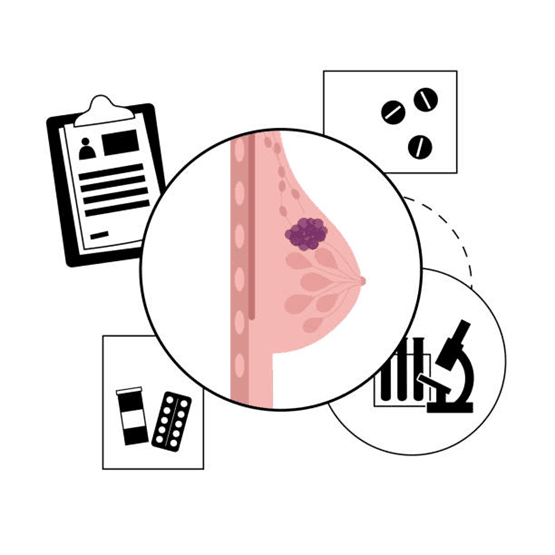
The approaches to fibroadenoma treatment by Dr. Garvit Chitkara, a specialist in breast health, include:
Observation:
The doctor may recommend observation if the fibroadenoma is small and not causing symptoms. Regular breast exams and imaging studies can help monitor any changes over time.
Surgical Excision:
Dr. Chitkara may advise surgical removal (lumpectomy) if the fibroadenoma is:
- large
- causing discomfort
- presenting diagnostic uncertainty
A lumpectomy involves removing the fibroadenoma while preserving the surrounding breast tissue.
Image-Guided Biopsy:
In some cases, the breast cancer specialist may perform a biopsy when:
- the diagnosis of fibroadenoma is uncertain
- if there are concerning features in imaging studies
This involves using imaging guidance to obtain a small tissue sample. The sample is examined under a microscope to rule out any signs of malignancy or other conditions.
Medication:
Doctors don’t usually use medications as a primary treatment for fibroadenoma. They may prescribe certain medications like oral contraceptives or hormone therapy in some cases. The aim is to help reduce the size of the fibroadenoma or alleviate symptoms.
The choice of treatment depends on various factors, including:
- the size and characteristics of the fibroadenoma
- the presence of symptoms
- the individual’s preferences and medical history
According to the reputed breast oncosurgeon Dr. Garvit Chitkara:
“Open communication between patients and healthcare providers is essential. It can help determine the most appropriate treatment plan tailored to each individual’s needs.”
Please reach out to a breast care professional if you think you are at risk of developing fibroadenoma.
Conclusion
Fibroadenomas are benign breast lumps. However, the uncertainty surrounding the nature of the lump and its implications can be overwhelming. It can impact the individual’s daily life and personal and professional relationships. The impact is particularly profound in individuals who develop fibroadenoma over age 50.
Dr. Garvit Chitkara stresses the importance of awareness and proactive breast health management. It can help you manage fibroadenoma with confidence and peace of mind. Remember, your breast health matters, and Dr. Chitkara is here to support you every step of the way.
Got more concerns about fibroadenoma over age 50? Let’s explore our section on frequently asked questions.
FAQS
What are the symptoms of fibroadenoma of breast in older women?
Older women may experience symptoms such as:
- a palpable lump in the breast
- changes in breast texture
- breast enlargement or swelling
- in some cases, nipple discharge
However, it’s important to note that not all fibroadenomas cause symptoms. Many are discovered incidentally during routine breast exams or imaging studies.
Can fibroadenomas cause pain or discomfort in older women?
Yes, fibroadenomas can occasionally cause pain or discomfort. This is especially true if they grow larger or press on nearby structures.
Are there lifestyle changes that can help manage fibroadenomas in older women?
Lifestyle changes cannot directly treat fibroadenomas. That said, maintaining a healthy lifestyle may help promote overall breast health. Healthy choices include:
- regular exercise
- a balanced diet
- avoiding excessive alcohol consumption
- managing stress levels
- maintaining a healthy weight
What percentage of fibroadenomas are cancerous?
The vast majority of fibroadenomas are benign. Less than 1% of fibroadenomas are found to be cancerous upon biopsy. However, any new breast lump should be evaluated by a healthcare professional. Prompt evaluation can help rule out malignancy and ensure appropriate management.
Reference Link: https://www.ncbi.nlm.nih.gov/pmc/articles/PMC1497021