
Fibroadenomas are among the most common benign breast lumps diagnosed in young women. Although generally non-threatening, their discovery often sparks concern and confusion. Many patients associate any breast lump with cancer and fear invasive treatments. However, surgery isn’t the only answer.
What Is a Fibroadenoma?
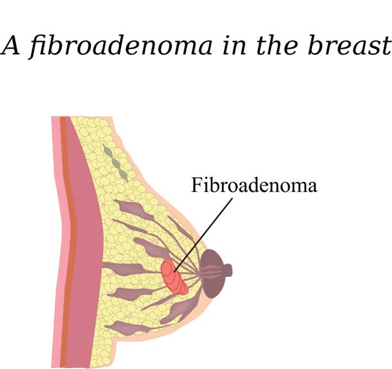
A fibroadenoma is a benign (non-cancerous) breast tumor most commonly found in women aged 15 to 35. It typically feels firm, smooth, and movable under the skin. These growths result from overgrowth of glandular and connective tissue in the breast and can vary in size.
They are often discovered during routine breast self-exams or imaging tests like ultrasound or mammography. While the exact cause is unknown, hormonal influences—particularly estrogen—are believed to play a role.
Fibroadenomas are usually classified into two main types:
- Simple Fibroadenoma: Uniform and well-defined structure.
- Complex Fibroadenoma: Contain other components such as cysts or calcifications.
Importantly, fibroadenomas are not cancerous and do not increase breast cancer risk in most cases.
Let’s find out if surgical intervention is necessary for all cases.
Do All Fibroadenomas Need Surgery?
Absolutely not. One of the most misunderstood aspects of fibroadenomas is the assumption that surgery is inevitable. In reality, many fibroadenomas are harmless and can be left alone with regular monitoring.
The decision largely depends on the following factors:
- Size of the Lump: Smaller lumps (under 2–3 cm) without growth often don’t require removal.
- Growth Pattern: If the lump remains stable over time, surgery might be unnecessary.
- Patient Age & Health: In younger women, conservative management is usually favored.
- Symptoms: Pain, discomfort, or cosmetic concerns might prompt intervention.
According to Dr. Garvit Chitkara, observation is a valid approach in most stable cases:
“With the right imaging and periodic evaluation, many patients can avoid surgery and continue to live healthy lives without any risk.”
Non-Surgical Management Options
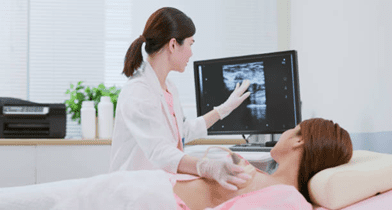
Modern medicine offers several non-invasive and minimally invasive methods to manage fibroadenomas effectively:
1. Watchful Waiting (Observation)
This is the most common approach for small, asymptomatic fibroadenomas. Regular follow-ups with ultrasound help track changes in size or character.
2. Cryoablation
A minimally invasive technique where a thin probe is used to freeze the fibroadenoma, causing it to shrink and eventually disappear. No stitches or general anesthesia is required.
3. Vacuum-Assisted Excision (VAE)
Performed under local anesthesia, this method uses a vacuum probe to remove the lump through a small incision. It’s outpatient-based and leaves minimal scarring.
4. Ultrasound-Guided Interventions
Some centers offer high-intensity focused ultrasound (HIFU), where sound waves target the fibroadenoma and gradually destroy the tissue.
Wondering if your fibroadenoma needs treatment? Schedule an evaluation with a breast specialist to understand your options.
Want to know how daily habits can make a difference?
Lifestyle Supportive Measures
While fibroadenomas aren’t directly caused by lifestyle, certain changes can support breast health and reduce discomfort:
1. Dietary Adjustments
- Reduce caffeine and high-fat intake, which may reduce breast tenderness.
- Include anti-inflammatory foods like berries, leafy greens, and omega-3 fatty acids.
2. Hormonal Balance
Maintain regular checkups to assess hormone levels, particularly if you experience irregular periods or hormonal fluctuations.
3. Stress Management
Chronic stress can affect hormonal health. Techniques such as yoga, meditation, and deep-breathing exercises can be beneficial.
4. Routine Breast Exams
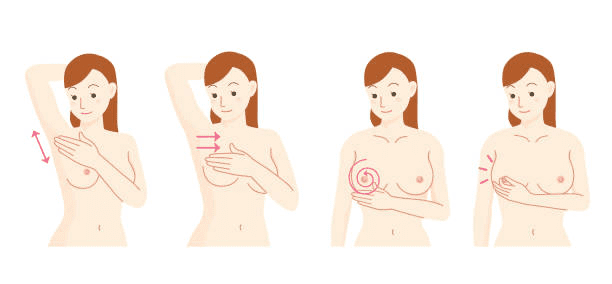
Self-awareness is key. Monthly breast self-exams help detect any changes early and ensure timely medical review.
Supporting your health holistically enhances the success of any fibroadenoma treatment without surgery.
Looking for a holistic approach to manage your fibroadenoma? Consult an experienced oncologist for guidance
When should you consider surgery then?
When Is Surgery Recommended?
Though non-surgical options are preferred when feasible, there are situations where surgery becomes necessary:
- Rapid growth: If the fibroadenoma increases significantly in size.
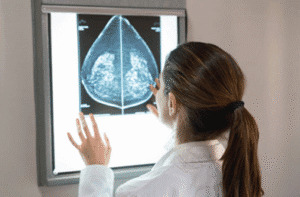
- Atypical imaging findings: If the ultrasound or mammogram reveals suspicious features.
- Pain or discomfort: Persistent or increasing symptoms that affect daily life.
- Cosmetic concerns: If the lump affects the shape or symmetry of the breast.
- Uncertain diagnosis: In rare cases where biopsy results are inconclusive.
Surgical removal, typically via lumpectomy, is a safe procedure. However, it is usually the last resort after careful evaluation.
Discuss surgical and non-surgical options with an expert to make the best decision for your breast health. Book an appointment today
When should you consider surgery then?
Conclusion
Fibroadenoma treatment without surgery is not only possible but often preferred for many women with stable, non-threatening breast lumps. Advances in diagnostic accuracy and minimally invasive procedures have empowered patients with more choices and less disruption to their lives. With expert guidance from specialists like Dr. Garvit Chitkara, a breast cancer surgeon in Mumbai, patients can confidently pursue safe, personalized care. Ultimately, understanding your options and making informed decisions are the keys to both peace of mind and long-term breast health.
Accomplished breast cancer specialist Dr. Garvit Chitkara says that inoperable breast cancer can become operable after you have undergone treatment to reduce the cancer.
Frequently Asked Questions
Q1: Is fibroadenoma treatment without surgery safe?
Yes, if the lump is small, stable, and asymptomatic, non-surgical management is considered safe and effective. Regular imaging and clinical follow-ups ensure continued health.
Q2: Can fibroadenomas turn into cancer?
Simple fibroadenomas do not turn into cancer. However, complex fibroadenomas or those with atypical features may require closer monitoring.
Q3: Who should I consult for fibroadenoma evaluation?
You should consult a breast cancer surgeonwho specializes in both surgical and non-surgical management of breast conditions.
Q4: What is the role of a cancer surgeon in fibroadenoma cases?
Even though fibroadenomas are benign, a cancer surgeoncan provide a thorough diagnosis, rule out malignancy, and suggest personalized management options.
Q5: Are non-surgical treatments painful?
Most minimally invasive treatments like cryoablation or VAE are performed under local anesthesia and involve minimal discomfort and recovery time.
Reference
https://pmc.ncbi.nlm.nih.gov/articles/PMC3706058
https://my.clevelandclinic.org/health/diseases/15690-fibroadenomas-of-the-breast