
Stage 3 invasive ductal carcinoma is a locally advanced form of breast cancer where the disease has spread beyond the breast to nearby lymph nodes but not to distant organs. At this stage, symptoms are usually more noticeable, which often leads patients to seek medical attention.
While it is considered an advanced stage, it is still treatable with a combination of therapies such as breast cancer chemotherapy, breast cancer surgery, and radiation. the other modalities of treatment like targetted therapy, endocrine therapy and Immunotherapy have important role to play in stage 3/ advanced breast cancer cases. The order of treatment depends upon the stage and subtype and is decided in a multidisciplinary team meeting. The focus is on curing the disease, reducing tumor size, and preventing further spread.
Dr. Garvit Chitkara, breast oncology surgeon in Mumbai, explains:
“Stage 3 breast cancer requires timely and well-planned treatment. With the right combination of therapies and close monitoring, many patients can achieve effective disease control and excellent outcomes.”
What Is Breast Reconstruction After Mastectomy?

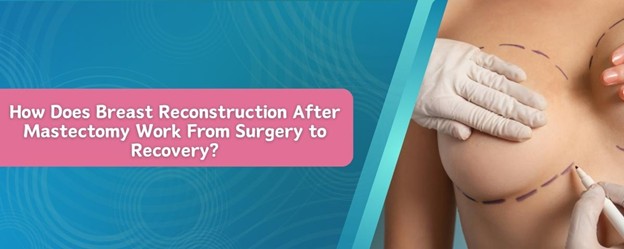
Breast Reconstruction after mastectomy is a surgical procedure that rebuilds the breast mound after breast removal surgery. The goal is to recreate a natural looking breast shape while ensuring safety and long term health.
The procedure may involve:
Silicone or saline implants
Using your own body tissue
A combination of both methods
It is important to understand that reconstruction is not cosmetic surgery alone. It is part of holistic cancer recovery, helping restore physical appearance and emotional confidence.
Dr Garvit Chitkara a breast cancer surgeon in Mumbai says, “Breast reconstruction is not just about appearance. It is about helping a woman feel whole again after breast cancer treatment.”
When Is Breast Reconstruction Performed: Immediate vs Delayed Options

There are two main timelines for reconstruction:
Immediate Reconstruction
This is performed at the same time as mastectomy. The breast is reconstructed during the same surgical session.
Benefits:
- Fewer surgeries overall
- Better cosmetic outcomes
- Emotional benefit of waking up with a breast shape already restored
Delayed Reconstruction
This is performed months or even years after mastectomy, often after chemotherapy or radiation therapy is completed.
Dr Garvit Chitkara advises, “The decision between immediate and delayed reconstruction depends on cancer stage, treatment plan, and overall health. Each case must be individualized.”
Not sure which option suits you? A personalized surgical consultation can help determine the safest and most appropriate timing.
What Are the Different Types of Breast Reconstruction Surgery?
There are multiple techniques used in Breast Reconstruction after mastectomy. The right approach depends on body type, cancer treatment history, and patient preference.

Implant Based Reconstruction
This involves placing a silicone or saline implant under the chest muscle or skin.
Sometimes, a tissue expander is placed first to gradually stretch the skin before inserting a permanent implant.
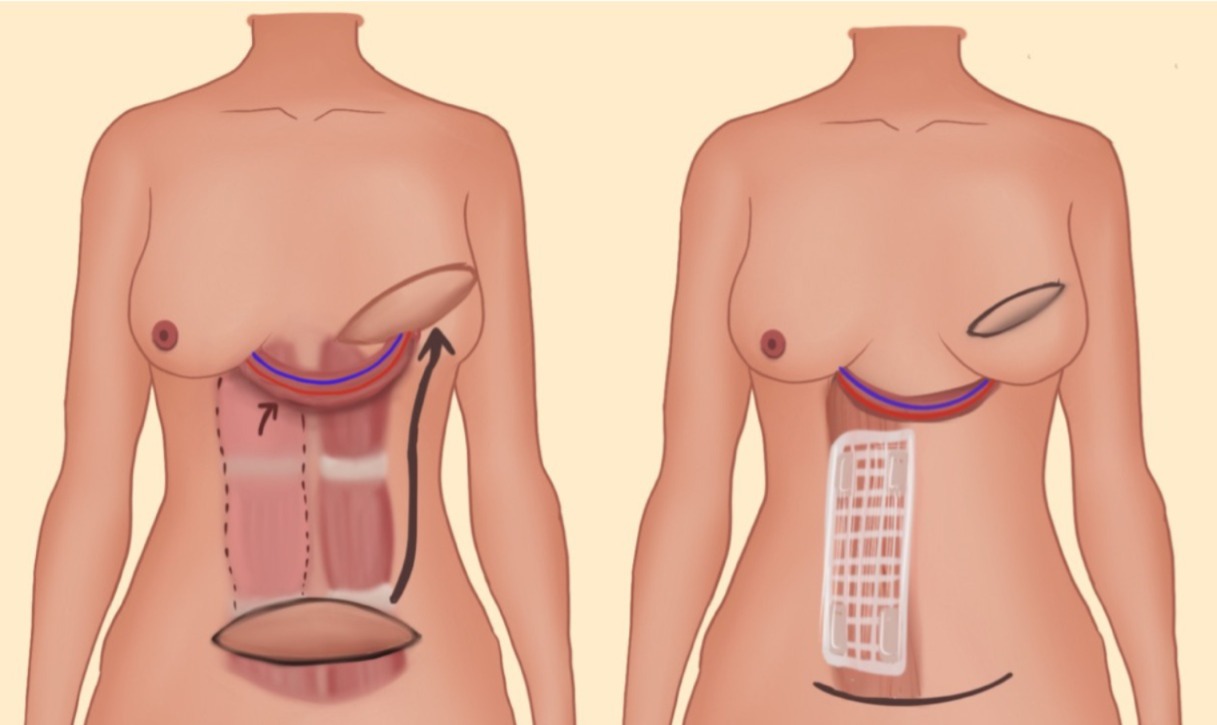
Autologous or Flap Reconstruction
This technique uses tissue from another part of the body, such as the abdomen, back, or thighs, to reconstruct the breast.
Common flap procedures include:
- DIEP flap
- TRAM flap
Latissimus dorsi flap
Hybrid Reconstruction
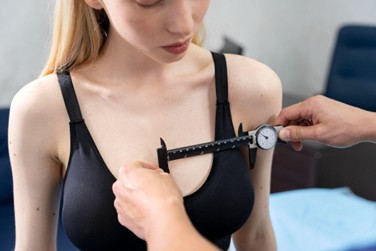
A combination of implant and flap techniques for better volume and shape.
Dr Garvit Chitkara says, “Choosing the right reconstruction method requires balancing medical safety, aesthetic goals, and long term durability.”
What Happens During the Surgical Procedure?
The surgical process depends on the chosen method.
In implant based reconstruction:
The implant is placed under muscle or skin.
A surgical drain may be inserted temporarily.
The incision is carefully closed to minimize scarring.
In flap reconstruction:
Tissue is carefully removed from a donor site.
Blood vessels are reconnected under a microscope.
The tissue is shaped into a breast mound.
Surgery duration can range from 2 to 8 hours, depending on complexity.
Breast Reconstruction after mastectomy is performed under general anesthesia, and patients are monitored closely post surgery to ensure proper healing.
What Is the Recovery Timeline and Long Term Outcome?
Recovery varies depending on the technique used.
First Few Weeks
- Mild to moderate pain and swelling
- Limited arm movement
- Surgical drains may remain for 1 to 2 weeks
4 to 6 Weeks
- Gradual return to daily activities
- Light exercises recommended
- Improvement in swelling and tightness
3 to 6 Months
- Final shape becomes more defined
- Additional procedures such as nipple reconstruction may be planned
In the long term, most women report improved self confidence and emotional well being after Breast Reconstruction after mastectomy.
Dr Garvit Chitkara advises, “Recovery is both physical and emotional. Proper follow up care and realistic expectations are key to achieving satisfying results.”
If you are considering reconstruction, schedule a detailed discussion to understand recovery expectations and long term outcomes.
FAQ
1. Is Breast Reconstruction after mastectomy safe?
Yes, when performed by an experienced breast surgeon, it is considered safe. Risks vary depending on overall health and treatment history.
2. Will reconstructed breasts look completely natural?
While no surgery can perfectly replicate natural tissue, modern techniques provide very natural looking results.
3. Does reconstruction increase the risk of cancer coming back?
No, reconstruction does not increase the risk of cancer recurrence.
4. Can reconstruction be done years after mastectomy?
Yes, delayed reconstruction is possible even years later, depending on your health condition.
5. Is recovery painful?
Discomfort is expected initially, but pain is manageable with medication and improves gradually.