
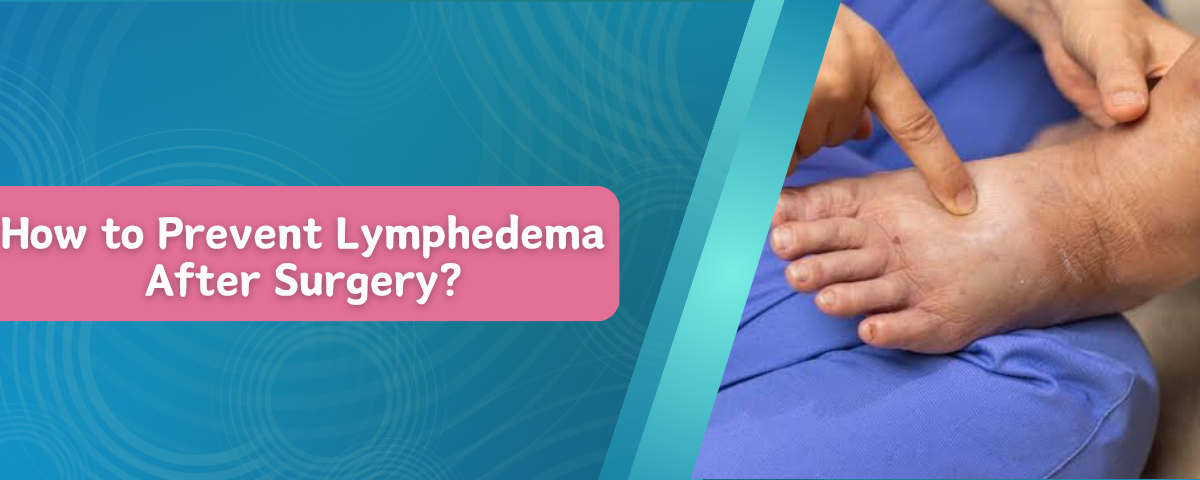
Arm swelling after breast cancer surgery is not inevitable. Lymphedema affects a significant number of women who have lymph nodes removed, but with the right precautions started early, the risk can be meaningfully reduced. The problem is that most women are not told what those precautions are until after swelling has already appeared. Knowing what lymphedema is, why it happens, and what to do from the day after surgery is how you stay ahead of it.
According to Dr. Garvit Chitkara, a trusted Breast Cancer Surgeon in Mumbai,
“Lymphedema prevention starts in the operating room. Using sentinel node biopsy instead of full axillary dissection wherever oncologically safe is the single biggest thing we can do surgically to reduce risk. After that, it comes down to what the patient does in recovery. Early physiotherapy, avoiding injury to the arm, and knowing the early warning signs make a real difference to whether swelling becomes a permanent problem or is caught and managed before it takes hold.”
Why does lymphedema happen after breast cancer surgery?
Understanding the cause makes the prevention steps make sense:
- Lymph nodes act as drainage pumps. When nodes are removed from the axilla, the lymphatic drainage pathway for the arm is disrupted. Fluid that would normally flow through those nodes can accumulate in the arm, causing swelling.
- More nodes removed means higher risk. Sentinel node biopsy carries a lymphedema risk of roughly five to seven percent. Full axillary dissection raises that to twenty to thirty percent. The surgical approach is the primary determinant of risk level.
- Radiation adds to the risk. Radiation to the axilla after surgery causes scarring of the remaining lymphatic channels, further impairing drainage. Women who have both axillary dissection and radiation carry the highest risk.
- It can develop months or years later. Lymphedema does not always appear immediately after surgery. Some women develop it years later, triggered by infection, injury, or prolonged pressure on the arm. Early lifestyle habits help reduce this delayed risk.
Understanding what axillary surgery involves and how surgical technique is chosen to minimise morbidity is covered in detail on the axillary surgery page.
Can simple daily habits help prevent lymphedema after surgery?
What can you do to prevent or reduce lymphedema?
Prevention is practical and starts from the first days after surgery:
- Start physiotherapy early. Gentle arm and shoulder exercises begun in the first week after surgery help restore range of motion and stimulate lymphatic flow. A physiotherapist experienced in post-breast surgery rehabilitation should guide the programme.
- Protect the arm from injury and infection. Any cut, burn, insect bite, or infection in the arm on the treated side can trigger or worsen lymphedema. Use gloves for gardening and cooking, apply sunscreen to avoid burns, and treat any skin break promptly.
- Avoid blood pressure cuffs and injections on the treated arm. Compression and needle punctures on the affected side can disrupt fragile lymphatic vessels. Always inform healthcare providers which arm has been treated.
- Maintain a healthy weight. Obesity is a significant independent risk factor for lymphedema. Even modest weight gain after surgery increases the risk. Staying close to a healthy weight is one of the most modifiable risk factors a woman controls herself.
- Wear a compression sleeve during air travel or strenuous activity. Changes in cabin pressure and prolonged arm exertion can trigger fluid accumulation. A fitted compression sleeve worn during flights and heavy exercise reduces this risk substantially.
- Know the early signs. Heaviness, aching, or a feeling of fullness in the arm, or rings and watches becoming tight, are early warning signs. Reporting these immediately allows treatment before the condition becomes established.
Good post-surgical recovery practice across all these areas is part of what the surgery recovery blog covers in the broader context of recovery after breast surgery.
Why Choose Dr Garvit Chitkara ?
Dr. Garvit Chitkara is Associate Director of Breast Surgical Oncology and Oncoplasty at Nanavati Max Institute of Cancer Care, Mumbai, with 17 years of experience in breast surgical oncology. He prioritises axillary conservation wherever oncologically safe, and every patient is given a structured post-surgical recovery plan that includes lymphedema risk counselling from the point of discharge.
FAQ
Does everyone who has lymph nodes removed get lymphedema?
No. Lymphedema affects roughly five to seven percent of patients after sentinel node biopsy and up to thirty percent after full axillary dissection. Many women never develop it, particularly those who take preventive steps early.
Can lymphedema be treated once it develops?
Yes. Early-stage lymphedema responds well to treatment including manual lymphatic drainage, compression therapy, and exercise. Advanced or long-standing lymphedema is harder to reverse but can be managed effectively to reduce symptoms and prevent progression.
Can lymphedema appear years after surgery?
Yes. Lymphedema can develop months or years after surgery, triggered by infection, injury, weight gain, or prolonged pressure. Preventive habits should be maintained long term, not just in the immediate post-surgery period.
Is it safe to exercise the affected arm after surgery?
Yes, and it is actively encouraged. Gentle progressive exercise helps lymphatic flow and reduces the risk of lymphedema. Heavy lifting with the affected arm should be avoided in the first weeks and reintroduced gradually with physiotherapy guidance.