TL;DR
Stage 0 breast cancer (DCIS) is non-invasive, with abnormal cells confined to the milk ducts and not spread to surrounding tissue. Often found via mammography and confirmed by biopsy, it’s highly treatable with lumpectomy or mastectomy, sometimes radiation or hormonal therapy. Despite being early, it needs prompt attention.
Stage 0 breast cancer, medically termed Ductal Carcinoma In Situ (DCIS), represents a non-invasive form where abnormal cells remain confined within the milk ducts without spreading to surrounding breast tissue. This early-stage detection offers a highly favorable prognosis, with survival rates exceeding 99% at five years post-diagnosis. Most cases are identified through routine mammography screening before any physical symptoms appear. While DCIS itself is not life-threatening, treatment is typically recommended to prevent potential progression to invasive breast cancer. Early intervention at this stage provides the best outcomes and preserves the maximum range of treatment options.
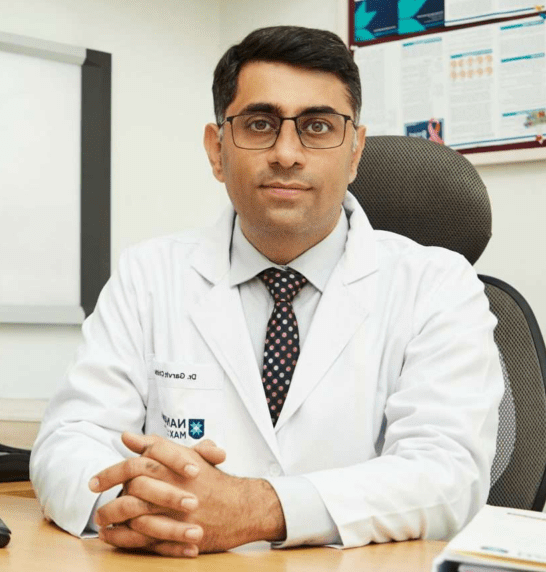
According to Dr. Garvit Chitkara, a renowned breast specialist in Mumbai,
“Breast cancer staging is determined by several critical factors including tumor size, whether hormone receptors are present, and the extent of spread beyond the original site. Each stage requires a tailored treatment approach, which is why accurate staging through comprehensive diagnostic evaluation is essential for determining the most effective therapeutic strategy for each patient.”
What is Stage 0 Breast cancer ?
Stage 0 breast cancer, known as Ductal Carcinoma In Situ (DCIS), means abnormal cells are contained within the milk ducts and haven’t invaded surrounding breast tissue. Unlike advanced stages where cancer spreads to distant organs, stage 0 represents the earliest possible detection. Most women discover DCIS through routine mammography rather than physical symptoms. For comprehensive information on surgical approaches, visit our page on breast cancer surgery in Mumbai.
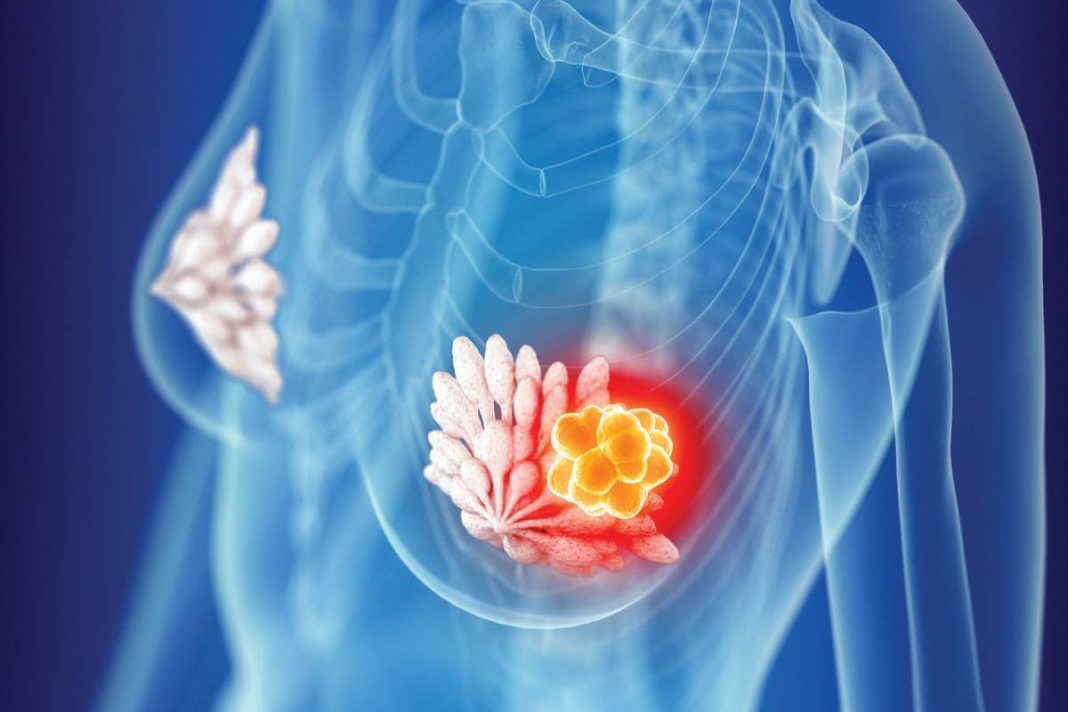
- Non-Invasive Nature – The cancer cells remain confined to the duct lining where they originated. They haven’t broken through the duct walls or spread into nearby breast tissue, which is why doctors classify it as non-invasive or pre-invasive cancer.
- Absence of Symptoms – You probably won’t feel a lump or experience pain. Most stage 0 cases get detected during routine screening mammograms when women aren’t expecting any problems, or sometimes when doctors are examining the breast for completely unrelated reasons.
- Treatment Necessity – Dr. Garvit Chitkara, an acclaimed breast cancer surgeon in Mumbai, emphasizes that treatment is still essential even though the cancer hasn’t spread yet. Left untreated, DCIS has the potential to progress into invasive breast cancer over time.
- Prevention of Progression – The primary goal of treating stage 0 is preventing metastasis, which refers to cancer spreading to other organs like lungs, liver, or bones. Early intervention at this stage stops the disease before it advances to more serious stages.
While stage 0 breast cancer is highly treatable with excellent outcomes, it requires prompt medical attention and a carefully planned treatment approach. The non-invasive status means you have time to make informed decisions, but delaying treatment increases the risk of progression to invasive cancer.
What are the other stages of breast cancer ?
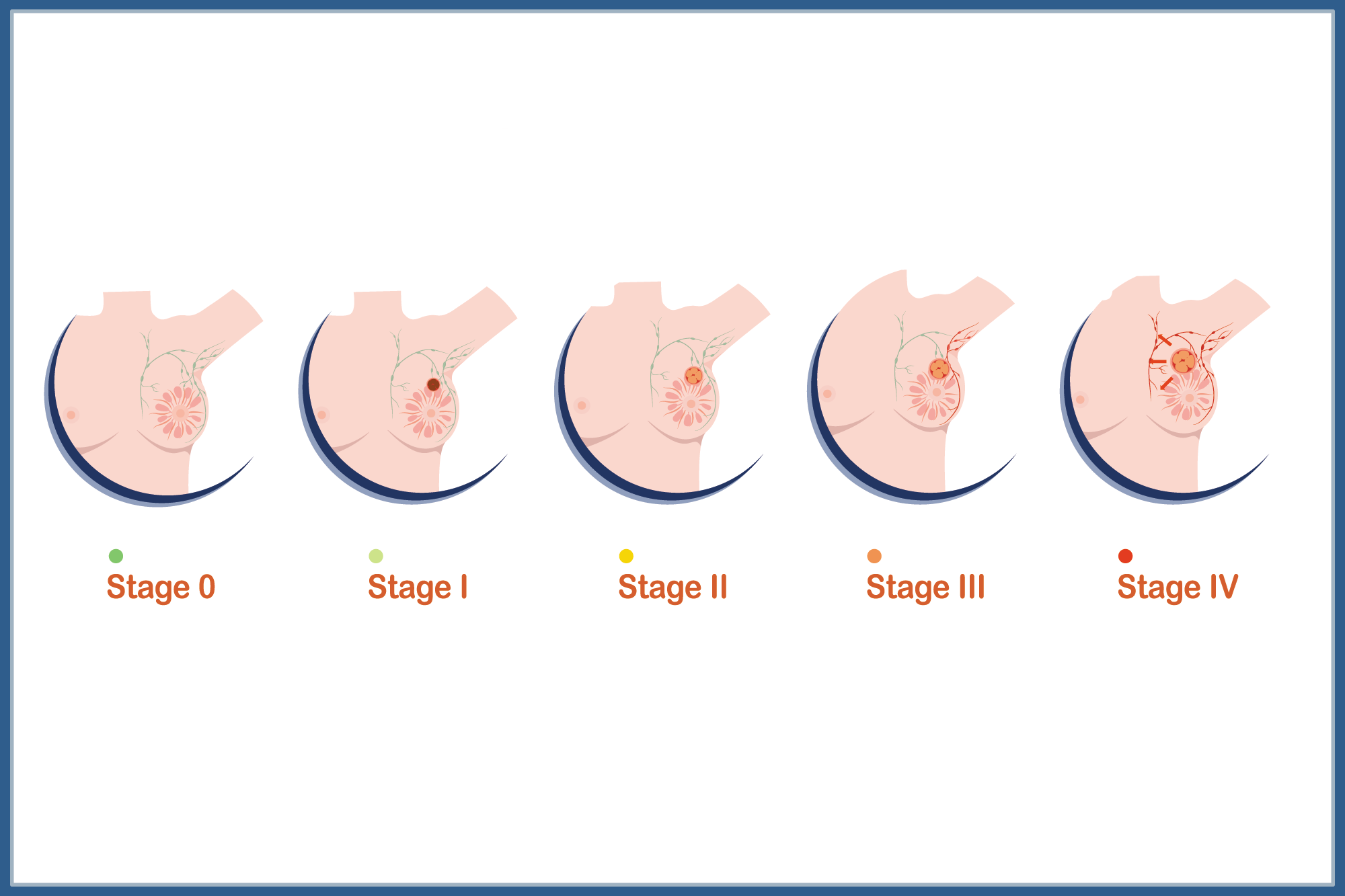
Beyond stage 0, breast cancer progresses through stages 1 to 4, with each stage representing increasing levels of spread and complexity. Understanding these stages helps patients and doctors determine the most appropriate treatment strategy. Early detection through regular screening significantly improves treatment outcomes across all stages. Learn more about advanced diagnostic techniques on our vacuum assisted breast biopsy in Mumbai page.
| Stage | Tumor Characteristics | Spread Pattern | Classification |
| Stage 1 | Small tumor | Breast tissue, 1-2 lymph nodes | Localized |
| Stage 2 | Larger tumor or multiple nodes | Breast and lymph nodes | Early stage |
| Stage 3 | Advanced local growth | Lymph nodes, skin, chest wall | Regional |
| Stage 4 | Distant metastasis | Lungs, liver, bones, brain | Metastatic |
Breast cancer can develop at any age after puberty, but risk increases dramatically after age 50. Regular screening every couple of years with specialists like Dr. Garvit Chitkara becomes crucial once you reach this age bracket, as early detection remains the most effective tool for successful treatment outcomes.
How is breast cancer diagnosed at stage 0?
Stage 0 breast cancer is typically detected through imaging studies rather than physical symptoms, making routine screening essential for early identification. The diagnostic process involves multiple steps to confirm the presence of abnormal cells and determine their characteristics. Since DCIS rarely presents with noticeable symptoms, most cases are discovered incidentally during mammographic screening. For more information on diagnostic procedures, explore our benign breast disease treatment in Mumbai page.
- Screening Mammography Detection – Most stage 0 breast cancers are caught during routine screening mammograms before any physical symptoms appear. When radiologists spot suspicious calcifications or abnormal tissue patterns, they recommend additional imaging studies to get a clearer, more detailed view of the concerning area.
- Advanced Imaging Techniques – If initial mammogram results raise concerns, your doctor orders diagnostic mammography or breast ultrasound to better characterize the suspicious findings. These advanced imaging modalities help determine the size, location, and nature of the abnormality before proceeding to tissue sampling.
- Biopsy Confirmation – When imaging alone cannot definitively rule out cancer, a biopsy becomes necessary as the only way to confirm diagnosis. The doctor uses a needle to extract a small tissue sample from the suspicious area, which a pathologist then examines under a microscope for cellular abnormalities.
- Pathology Report Analysis – The pathology report provides crucial information about whether abnormal cells are present and, if they are, how aggressive they appear under microscopic examination. This report also indicates hormone receptor status and other characteristics that guide treatment planning and prognosis assessment.
If you notice a lump or any breast changes, consult Dr. Garvit Chitkara, among the preferred surgeons for breast cancer surgery in Mumbai. Discussing your family history and establishing an appropriate screening schedule based on your individual risk factors can significantly improve early detection outcomes.
What is the treatment for stage 0 breast cancer?
Beyond stage 0, breast cancer progresses through stages 1 to 4, with each stage representing increasing levels of spread and complexity. Understanding these stages helps patients and doctors determine the most appropriate treatment strategy. Early detection through regular screening significantly improves treatment outcomes across all stages. Learn more about advanced diagnostic techniques on our vacuum assisted breast biopsy in Mumbai page.
Treatment Type |
Procedure |
Purpose |
Post-Treatment |
Mastectomy |
Complete breast removal |
Eliminate all cancer |
Reconstruction option |
Lumpectomy |
Remove tumor only |
Preserve breast |
Often with radiation |
Radiation Therapy |
Targeted beam treatment |
Kill remaining cells |
Reduce recurrence |
Hormone Therapy |
Medication regimen |
Prevent return |
Long-term management |
Breast cancer can develop at any age after puberty, but risk increases dramatically after age 50. Regular screening every couple of years with specialists like Dr. Garvit Chitkara becomes crucial once you reach this age bracket, as early detection remains the most effective tool for successful treatment outcomes.
How is Breast Cancer Diagnosed at Stage 0?
Stage 0 breast cancer is typically detected through imaging studies rather than physical symptoms, making routine screening essential for early identification. The diagnostic process involves multiple steps to confirm the presence of abnormal cells and determine their characteristics. Since DCIS rarely presents with noticeable symptoms, most cases are discovered incidentally during mammographic screening. For more information on diagnostic procedures, explore our benign breast disease treatment in Mumbai page.
Screening Mammography Detection – Most stage 0 breast cancers are caught during routine screening mammograms before any physical symptoms appear. When radiologists spot suspicious calcifications or abnormal tissue patterns, they recommend additional imaging studies to get a clearer, more detailed view of the concerning area.
Advanced Imaging Techniques – If initial mammogram results raise concerns, your doctor orders diagnostic mammography or breast ultrasound to better characterize the suspicious findings. These advanced imaging modalities help determine the size, location, and nature of the abnormality before proceeding to tissue sampling.
Biopsy Confirmation – When imaging alone cannot definitively rule out cancer, a biopsy becomes necessary as the only way to confirm diagnosis. The doctor uses a needle to extract a small tissue sample from the suspicious area, which a pathologist then examines under a microscope for cellular abnormalities.
Pathology Report Analysis – The pathology report provides crucial information about whether abnormal cells are present and, if they are, how aggressive they appear under microscopic examination. This report also indicates hormone receptor status and other characteristics that guide treatment planning and prognosis assessment.
If you notice a lump or any breast changes, consult Dr. Garvit Chitkara, among the preferred surgeons for breast cancer surgery in Mumbai. Discussing your family history and establishing an appropriate screening schedule based on your individual risk factors can significantly improve early detection outcomes.
How is Breast Cancer Diagnosed at Stage 0?
Treatment approaches for stage 0 breast cancer have evolved significantly over the past decade, moving away from aggressive surgical intervention as the only option. A 2017 comprehensive review demonstrated that mastectomy is no longer automatically necessary for all DCIS cases. Your medical history, personal preferences, and family cancer history all play crucial roles in determining the most appropriate treatment plan. For detailed information on surgical options, visit our oncoplastic breast surgery in Mumbai page.
| Treatment Type | Procedure | Purpose | Post-Treatment |
| Mastectomy | Complete breast removal | Eliminate all cancer | Reconstruction option |
| Lumpectomy | Remove tumor only | Preserve breast | Often with radiation |
| Radiation Therapy | Targeted beam treatment | Kill remaining cells | Reduce recurrence |
| Hormone Therapy | Medication regimen | Prevent return | Long-term management |
Follow-Up Surveillance – The eminent breast oncoplastic surgeon, Dr. Garvit Chitkara, recommends more frequent screening and monitoring after stage 0 treatment since having DCIS increases your risk of developing breast cancer again in the future. Regular mammograms and clinical examinations become essential components of long-term care.
Treatment decisions should be made collaboratively between you and your medical team, taking into account all relevant factors to achieve the best possible outcome while respecting your quality of life preferences.
Why Choose Dr. Garvit Chitkara for
Stage 0 Breast Cancer Treatment ?
Dr. Garvit Chitkara brings extensive expertise in breast cancer diagnosis and treatment, specializing in both oncological outcomes and aesthetic preservation through oncoplastic techniques. As Associate Director of Breast Surgical Oncology and Oncoplasty at Nanavati Max Hospital, Mumbai, he combines over 17 years of clinical experience with a patient-centered approach that prioritizes informed decision-making. His comprehensive treatment philosophy addresses not just cancer elimination but also quality of life and body image concerns that matter deeply to patients. Dr. Chitkara ensures every patient fully understands their diagnosis, explores all available treatment options, and feels supported throughout their cancer journey from initial consultation through recovery and long-term follow-up care.
FAQs
Can stage 0 breast cancer come back after treatment?
Yes, there’s a risk of recurrence even after successful treatment. About 10-15% of women treated for DCIS may develop invasive breast cancer in the same breast within 10 years. That’s why Dr. Garvit Chitkara recommends regular follow-up mammograms and clinical exams.
Do I need chemotherapy for stage 0 breast cancer?
No, chemotherapy is typically not required for stage 0 breast cancer since the cancer hasn’t spread beyond the ducts. Treatment usually involves surgery (lumpectomy or mastectomy), possibly radiation therapy, and hormone therapy if your cancer is hormone receptor positive.
How long does recovery take after stage 0 breast cancer surgery?
Recovery time varies depending on the procedure. Lumpectomy patients usually recover within 1-2 weeks, while mastectomy recovery takes 3-4 weeks. You can typically return to normal activities gradually, though strenuous exercise may need to wait 4-6 weeks post-surgery.
Is stage 0 breast cancer considered "real" cancer?
DCIS is real cancer, but it’s non-invasive, meaning it hasn’t broken through the duct walls. While it’s not immediately life-threatening, it requires treatment because left untreated, it can progress to invasive breast cancer that spreads to other parts of the body.
References
- National Cancer Institute – Breast Cancer Treatment (PDQ®) – https://www.cancer.gov/types/breast/patient/breast-treatment-pdq
- American Cancer Society – Ductal Carcinoma In Situ (DCIS) – https://www.cancer.org/cancer/breast-cancer/about/types-of-breast-cancer/dcis.html