
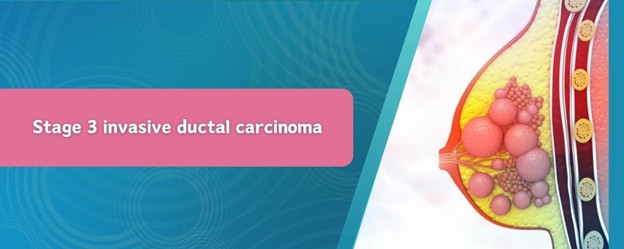
Stage 3 invasive ductal carcinoma is a locally advanced form of breast cancer where the disease has spread beyond the breast to nearby lymph nodes but not to distant organs. At this stage, symptoms are usually more noticeable, which often leads patients to seek medical attention.
While it is considered an advanced stage, it is still treatable with a combination of therapies such as breast cancer chemotherapy, breast cancer surgery, and radiation. the other modalities of treatment like targetted therapy, endocrine therapy and Immunotherapy have important role to play in stage 3/ advanced breast cancer cases. The order of treatment depends upon the stage and subtype and is decided in a multidisciplinary team meeting. The focus is on curing the disease, reducing tumor size, and preventing further spread.
Dr. Garvit Chitkara, breast oncology surgeon in Mumbai, explains:
“Stage 3 breast cancer requires timely and well-planned treatment. With the right combination of therapies and close monitoring, many patients can achieve effective disease control and excellent outcomes.”
Common Symptoms Patients Notice

Patients with Stage 3 invasive ductal carcinoma often notice more visible and persistent changes in the breast or underarm area. These symptoms may develop gradually and become more noticeable over time. Recognizing these signs early can help ensure timely evaluation and appropriate treatment. The common symptoms are painless lump in the breast with changes in the skin like swelling of the skin, ulceration of the overlying skin or both. It can also be stage lll cancer where the breast lump is very small but the armpit node is matted because of cancer cells.
Breast Lump and Changes
Patients may notice a persistent breast lump that may feel firm or fixed. The breast may also change in size, shape, or appearance over time. It may be associated with skin changes like swelling of the skin giving it an orange peel like structure or formation of an ulcer in the overlying skin of the tumour or both.
Underarm Swelling or Lymph Nodes
Swelling in the underarm area due to enlarged axillary lymph nodes is common in Stage 3 breast cancer. This may feel like a lump or fullness in the armpit.
Skin or Nipple Changes
Changes such as skin dimpling, redness, thickening, or nipple inversion may occur. These symptoms should not be ignored and require evaluation. You can learn how to identify early warning signs through breast self-examination.
How Serious Is Stage 3 Breast Cancer?

Stage 3 breast cancer is considered a serious condition because the disease has spread beyond the breast to nearby lymph nodes or surrounding tissues. However, it is important to understand that it is still treatable and has not spread to distant organs. With the right combination of therapies and timely medical care, many patients can achieve good disease control and excellent outcomes.
Has It Spread to Other Organs?
Stage 3 breast cancer is considered locally advanced, meaning it has NOT spread to distant organs like the lungs or liver. However, it has extended beyond the breast to nearby tissues or lymph nodes.
Why Timely Treatment Matters
Early and structured treatment is crucial at this stage. Delays can allow the disease to progress further, while timely intervention with breast cancer chemotherapy and surgery improves the chances of effective control.
What Should You Do After Diagnosis?
Next Steps to Take
After diagnosis, it is important to understand your stage, undergo recommended tests, and start treatment without delay. Discuss your options in detail, including procedures like oncoplastic breast surgery or axillary surgery, depending on your condition. Having a clear treatment plan can help reduce anxiety and improve outcomes.
When to Consult a Specialist
If you have been diagnosed with Stage 3 breast cancer or are experiencing symptoms such as a persistent lump or underarm swelling, it is important to seek expert guidance early. A specialist can help confirm the diagnosis, plan treatment, and guide you through each step of care.
Consulting Dr Garvit Chitkara ensures that you receive a structured and personalized treatment approach based on your specific condition.
FAQ
1. Is Stage 3 breast cancer curable?
Stage 3 breast cancer is treatable and curable, and many patients respond well to treatment. Outcomes depend on how early treatment is started and how the cancer responds.
2. What treatment is usually required?
Treatment typically includes a combination of chemotherapy, surgery, and radiation therapy along with targeted therapy, hormone therapy or immunotherapy based on the subtype of cancer
3. Can Stage 3 breast cancer spread further?
Yes, if untreated, it can spread to other parts of the body, which is why early treatment is important.
4. How quickly should treatment begin?
Treatment should start as soon as possible after diagnosis to achieve the best results.
5. What symptoms should not be ignored?
A persistent lump, underarm swelling, skin changes, or nipple changes should always be evaluated by a specialist.