
TL;DR
Breast self-examination is a simple monthly practice that helps detect unusual breast changes early. This guide explains six essential steps, including visual checks, palpation techniques, and identifying warning signs like lumps, skin changes, or nipple discharge. Regular self-exams, along with professional screening, support early breast cancer detection and timely treatment.
Introduction
Metastatic breast caBreast self-examination represents one of the most accessible tools for early detection of breast abnormalities, yet many women remain uncertain about proper technique. Regular monthly breast self-examinations help women become familiar with their normal breast tissue and identify changes that warrant medical attention. This knowledge proves invaluable for catching potential issues before they progress.
Dr. Garvit Chitkara, a renowned breast surgical oncologist in Mumbai, emphasizes:
“Breast self-examination is an important step in understanding your body. It is a valuable tool in identifying changes early, but it should complement professional care, not replace it.”
The six-step method provides a systematic approach that covers visual inspection, positioning changes, and thorough palpation techniques. Understanding proper timing, hand positioning, and pressure variations ensures a comprehensive examination. This blog addresses common mistakes and clarifies when findings require professional evaluation.
“Want to learn how to perform a thorough breast self-examination? Consult a healthcare professional to guide you through the process and answer any questions.”
Step 1 – Observe Your Breasts in the Mirror
The first step of BSE involves a visual inspection of your breasts in front of a mirror. Stand with your shoulders straight, arms at your hips, and examine both breasts carefully for any differences.
What to Look For:
- Size and Shape: Note any changes in size, shape, or symmetry.
- Skin Texture: Look for dimpling or puckering of the skin.
- Nipple Position: Check for any inversion or changes in nipple direction.
- Color Variations: Observe for any redness or other discoloration.
Ensure you observe both breasts to compare and spot any abnormalities. Most women have asymmetrical breasts naturally, but it is important to identify new changes.
Dr. Garvit Chitkara explains:
“This step helps you recognize visible changes like skin dimpling, redness, or alterations in the nipple, which could be early signs of breast concerns.”
Step 2: Raise Your Arms and Recheck
The second step involves raising both arms overhead to examine the breasts from a different angle. This position allows gravity to shift the breast tissue and reveals changes that may not be visible with arms at the sides.
Standing upright, the person should lift both arms high above their head. This movement stretches the chest muscles and creates tension in the skin.
While maintaining this position, they should look for the same changes observed in step one:
- Changes in breast size or shape
- Skin dimpling or puckering
- Color variations
- Visible lumps or bumps
The raised arm position is particularly effective for detecting skin retraction. When breast tissue is pulled by an underlying mass, the skin may pull inward or create unusual contours. Each breast should be examined separately and then compared to the other. The person should note any asymmetry that appears different from their normal breast appearance.

Step 3 – Check for Nipple Discharge
This step requires you to gently squeeze each nipple between your thumb and index finger to check for any discharge.
Discharge Variations to Note:
- Normal Discharge: Clear or white discharge from both breasts, typically seen during hormonal changes.
- Concerning Discharge:
- Bloody: Red, brown, or dark discharge.Clear (unilateral): Discharge from one breast only.
- Purulent: Yellow or green pus, which may suggest infection.
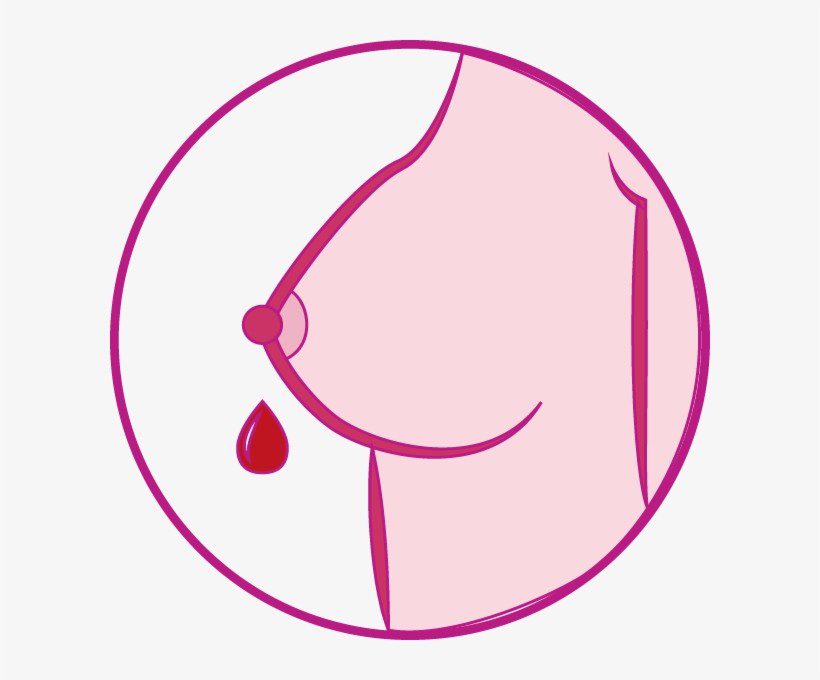
Dr. Garvit Chitkara, a renowned Breast Cancer Surgeon in Mumbai, notes: adds:
“Checking for discharge is crucial. Spontaneous or blood-tinged discharge, particularly from one nipple, can be indicative of an underlying concern and requires prompt medical evaluation.”
“Not sure if your breast self-examination technique is accurate? Schedule a consultation with a breast health expert to ensure you’re performing it correctly.”
Step 4: Palpate While Lying Down
This step involves examining the breast tissue while in a horizontal position. The lying down position allows breast tissue to spread evenly across the chest wall.
Positioning – Place a pillow under the shoulder of the breast being examined. Position the arm on the same side behind the head. This positioning flattens the breast tissue for better examination.
Hand Technique – Use the opposite hand to examine each breast. The pads of the three middle fingers should perform the examination. Keep fingers flat and together during the process.
Palpation Method – Apply firm, smooth pressure using circular motions about the size of a 1 ruppee coin. Move systematically around the entire breast area. The examination should cover all breast tissue from the collarbone to the bra line.
Pressure Levels – Use three different pressure levels during examination:
- Light pressure for tissue just beneath the skin
- Medium pressure for tissue in the middle of the breast
- Deep pressure for tissue close to the chest wall and ribs
Examine the entire breast including the area extending into the armpit. Check the nipple area by gently squeezing to detect any discharge. Repeat the entire process on the opposite breast using the other hand. The lying position allows for the most thorough examination of breast tissue.
Let’s explore the treatments that make this possible.
Step 5 – Examine While Standing or in the Shower
Many women prefer to perform BSE standing, especially in the shower where wet skin makes it easier to glide the fingers.
Shower Technique:
- Apply soap or body wash to create a slippery surface.
- Use circular motions, starting from the outer breast and moving inward toward the nipple.
The standing position, especially with raised arms, ensures that the breast tissue flattens against the chest, making the examination more effective.
Step 6 – Recognize Your Normal Breast Texture
Understanding what your breasts typically feel like is essential for detecting changes. Normal tissue can feel lumpy or firm but will not show new hard lumps or unusual thickening.
Normal Variations Include:
- Dense, firm areas that feel consistent across both breasts.
- Soft, fatty tissue that compresses easily.
- Natural lumps or ridges that appear symmetrical.
Dr. Garvit Chitkara, a highly skilled Breast Oncosurgeon in Mumbai, explains:
“Consistent breast self-examinations help you become acquainted with your usual breast texture, enabling you to identify any changes that might require medical attention.”
“Have concerns about changes in your breasts? Speak with a specialist to discuss any findings and explore your next steps for early detection and care.”
findings and explore your next steps for early detection and care.
findings and explore your next steps for early detection and care.
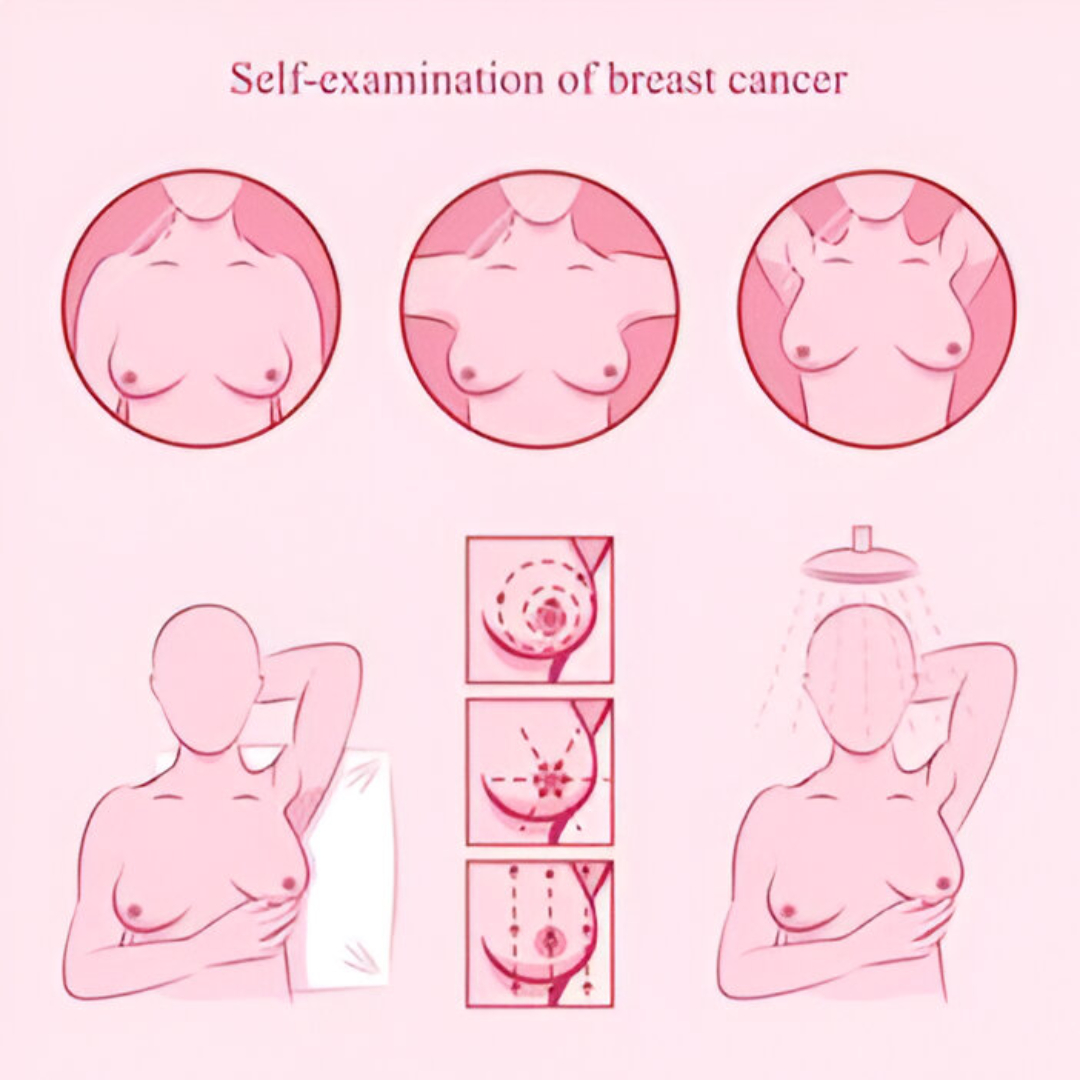
Here’s a quick visual guide to help you understand the correct steps for performing a breast self-exam at home.
When to See a Breast Specialist
Certain changes in the breasts require immediate medical evaluation. Women should schedule an appointment when they detect lumps, thickening, or masses during self-examination.
Skin changes signal the need for professional assessment. These include dimpling, puckering, or orange-peel texture on breast skin.
Nipple discharge warrants medical attention, especially when it occurs spontaneously or contains blood. Changes in nipple appearance, such as inversion or scaling, also require evaluation.
Persistent breast pain that continues for more than one menstrual cycle needs medical review. Pain isolated to one specific area particularly requires assessment.
Size or shape changes between breasts should prompt a specialist visit. Noticeable asymmetry that develops suddenly requires evaluation.
Women should seek care for:
- New lumps or hard areas
- Breast swelling or warmth
- Skin irritation or redness
- Nipple retraction or discharge
- Unexplained breast pain
Dr. Garvit Chitkara states:
“Prompt evaluation of any concerning findings is crucial. Early detection can lead to better outcomes, so don’t hesitate to consult a specialist if you notice anything unusual.”
Conclusion
Breast self-examination serves as a fundamental tool for early detection of breast cancer. Women who perform monthly BSE develop familiarity with their normal breast tissue and can identify changes more effectively.
Breast self-examination serves as a fundamental tool for early detection of breast cancer. Women who perform monthly BSE develop familiarity with their normal breast tissue and can identify changes more effectively.
Regular practice enhances detection accuracy. Monthly examinations help establish baseline knowledge of breast texture and appearance. This familiarity enables women to notice subtle changes that might otherwise go undetected.
Early detection significantly improves treatment outcomes. Cancers identified in early stages respond better to treatment and have higher cure rates. BSE provides an accessible screening method between clinical examinations.
The six-step process requires minimal time investment for substantial health benefits. Women can perform the examination at home without special equipment or medical supervision.
Frequently Asked Questions:
What is the recommended frequency for performing breast self-examinations?
Women should perform breast self-examinations once a month, ideally 7-10 days after menstruation.
Can you describe the proper technique for a breast self-exam?
The examination involves visual inspection and physical palpation in three positions: standing, with arms raised, and lying down.
At what age should women start doing breast self-examinations?
Women should start breast self-examinations in their early twenties to establish a baseline of normal breast tissue.
What are the common signs to look for when conducting a breast self-exam?
Look for lumps, changes in size, skin texture, nipple changes, or swelling in the armpit area.
How can I differentiate between normal breast tissue and potential abnormalities?
Normal tissue feels soft and mobile, while abnormalities tend to be firm, fixed, and distinct from surrounding tissue.
Long-term survivors often attribute their success to targeted treatments and lifestyle modifications such as maintaining a healthy diet and regular exercise.