
Mastectomy Surgery in Mumbai
Mastectomy surgery is a procedure in which breast tissue is removed to treat or prevent breast cancer. It is commonly recommended when the tumor is large relative to breast size, multiple tumors are present, or breast-conserving surgery is not suitable.
Breast mastectomy surgery in Mumbai is usually performed under general anesthesia and planned after imaging tests such as mammography, ultrasound, and biopsy confirmation.
Doctor’s Quote:
“As a breast cancer surgeon in Mumbai, my goal while performing mastectomy is to ensure complete removal of the disease while planning treatment in a way that supports safe recovery and long-term health.”
— Dr. Garvit Chitkara
Types of Mastectomy Surgery Offered
Different types of breast mastectomy in Mumbai are chosen based on tumor size, cancer stage, and reconstruction goals.
Modified Radical Mastectomy
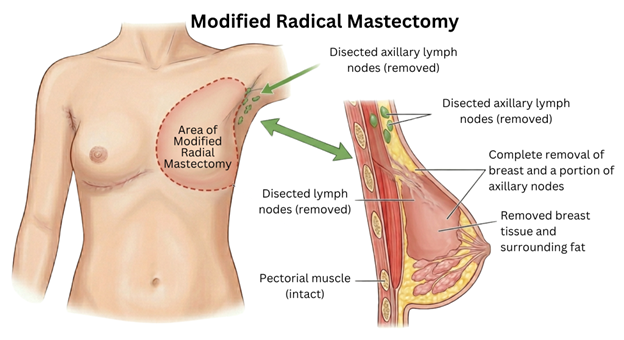
Removes the breast tissue along with the axillary lymph nodes. In cases with no lymph nodal involvement on clinical examination, a sentinel lymph node biopsy is done instead of axillary dissection
Commonly performed for invasive breast cancer.
Skin-Sparing Mastectomy
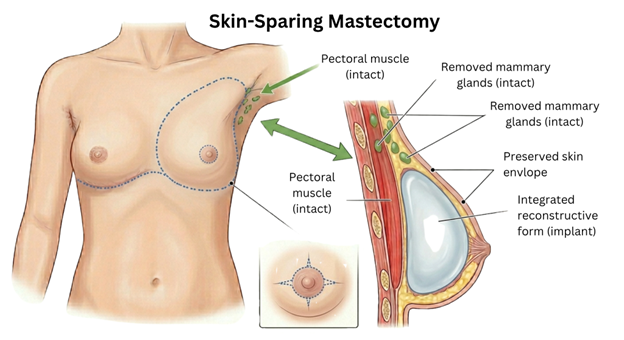
Preserves most breast skin while removing underlying tissue.
Often used when reconstruction is planned.
Nipple-Sparing Mastectomy
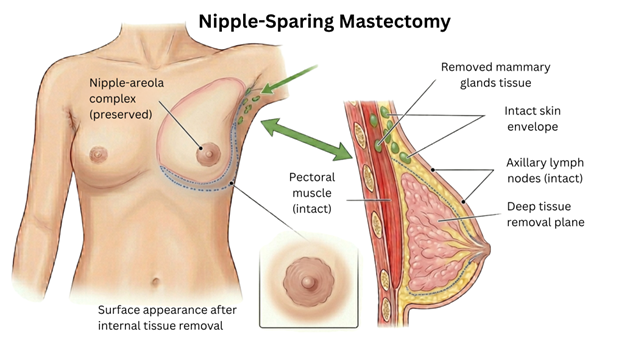
Preserves nipple and skin while removing internal tissue.
Recommended in carefully selected early-stage patients.
Bilateral Mastectomy
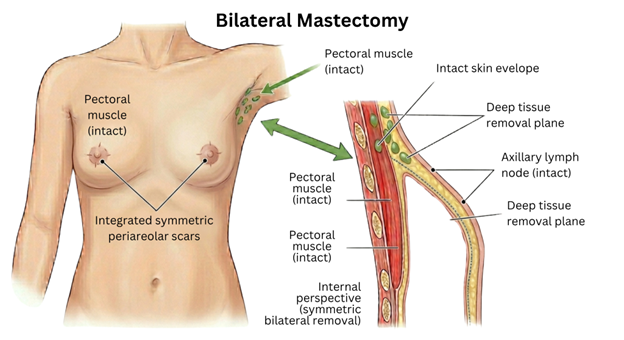
Removal of both breasts.
Recommended for patients with genetic risk or bilateral cancers.
Who Needs Mastectomy Surgery?
Clinical evidence shows that mastectomy provides excellent cancer control in appropriate cases. According to oncology guidelines, mastectomy is often recommended for:
- Large tumors relative to breast size
- Multicentric breast cancer (tumors in different breast areas)
- Recurrent breast cancer
- Patients who cannot undergo radiation therapy
- Preventive surgery in patients with BRCA1 or BRCA2 mutations
Patients experiencing the following symptoms should seek evaluation:
- Persistent breast lump
- Skin dimpling or thickening
- Nipple discharge
- Breast shape changes
- Nipple inversion
Early detection significantly improves survival outcomes.
“Mastectomy is recommended when complete removal of breast tissue offers the safest way to control cancer. Early evaluation and timely surgery significantly improve treatment outcomes and reduce the risk of recurrence.”
— Dr. Garvit Chitkara, Breast Cancer Surgeon in Mumbai
If you have been advised of a mastectomy or diagnosed with breast cancer, schedule a consultation with Dr. Garvit Chitkara to understand the safest surgical options for your condition.
Mastectomy Surgery Procedure – Step by Step
Breast mastectomy surgery in Mumbai follows a structured surgical protocol to ensure safety and accurate tumor removal.
Step 1: Preoperative Evaluation
Includes imaging tests such as mammography, ultrasound, MRI (if needed), and biopsy confirmation.
Step 2: Surgical Planning
The surgeon determines:
- Type of mastectomy
- Lymph node removal approach
- Reconstruction planning (if required)
Step 3: Surgery
Performed under general anesthesia.
The surgeon removes breast tissue and may remove lymph nodes, depending on the cancer spread.
Typical surgery duration:
2–4 hours
Step 4: Postoperative Monitoring
Patients remain under observation for:
- Bleeding
- Fluid collection
- Pain control
Hospital stay usually lasts:
1–3 days
Recovery After Mastectomy Surgery
Recovery after breast mastectomy surgery in Mumbai varies based on surgery type and patient health.
Typical Recovery Timeline
Hospital stay: 1–3 days
Drain removal: 7–14 days
Return to light activities: 2–3 weeks
Full recovery: 4–6 weeks
Post-Surgery Care
Patients are advised to:
Perform arm mobility exercises
Keep the surgical area clean
Avoid lifting heavy objects
Attend follow-up appointments
Some patients may experience lymphedema, especially after lymph node removal, which requires long-term monitoring.
“Most patients recover well after mastectomy when postoperative instructions are followed carefully. Early movement exercises and regular follow-ups help reduce complications and improve healing.”
— Dr. Garvit Chitkara
Understanding recovery timelines and post-surgery care can reduce anxiety. Book an appointment to discuss recovery planning and rehabilitation after a mastectomy.
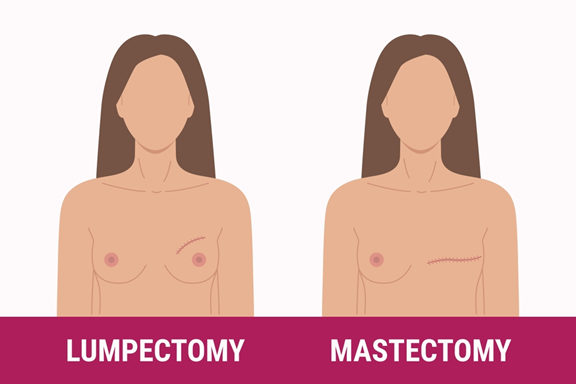
Mastectomy vs Lumpectomy
Both procedures treat breast cancer, but the choice depends on tumor characteristics.
| Factor | Mastectomy | Lumpectomy |
| Tissue removed | Entire breast | Tumor + small margin |
| Radiation required | Sometimes | Usually required |
| Recurrence risk | Low | Slightly higher |
| Cosmetic impact | Greater | Less |
Most insurance plans in India cover breast cancer surgery under oncology treatment policies.
Patients seeking details about mastectomy cost in Mumbai are advised to schedule a consultation for an individualized estimate.
Why Choose Dr. Garvit Chitkara for Mastectomy Surgery in Mumbai?
The choice of surgeon directly affects the success of cancer removal and the quality of recovery after surgery.
Dr. Garvit Chitkara provides structured surgical care focused on safe tumor removal and careful postoperative management.
Breast Cancer–Focused Surgical Practice
Dedicated clinical focus on the surgical management of breast cancer, including mastectomy, breast-conserving procedures, partial and total breast reconstruction

Comprehensive Pre-Surgical Evaluation
Detailed assessment using imaging, biopsy findings, and staging reports to determine the most appropriate surgical approach.
Expertise in Axillary Management
Careful lymph node evaluation and removal techniques to ensure accurate cancer staging and reduce recurrence risk.
Minimizing Surgical Complications
Focus on careful tissue handling, drain management, and wound care protocols to reduce infection and seroma risk.
Structured Postoperative Follow-Up
Regular follow-up visits to monitor wound healing, detect complications early, and guide rehabilitation.
Patient Education and Recovery Guidance
Clear instructions on wound care, arm exercises, and recovery milestones to support safe healing after surgery.
Frequently Asked Questions
How long does mastectomy surgery take?
Most procedures take 2 – 3 hours, depending on the type of surgery and lymph node removal.
Is a mastectomy painful?
Pain is managed using medications. Most patients experience moderate discomfort during the first few days after surgery.
Can breast reconstruction be done immediately?
Yes. Immediate reconstruction is possible in many cases, depending on tumor stage and patient preference.
Will I need chemotherapy after a mastectomy?
This depends on cancer stage, lymph node involvement, and pathology results.
How long does recovery take after a mastectomy?
Most patients return to routine activities within 3 weeks.